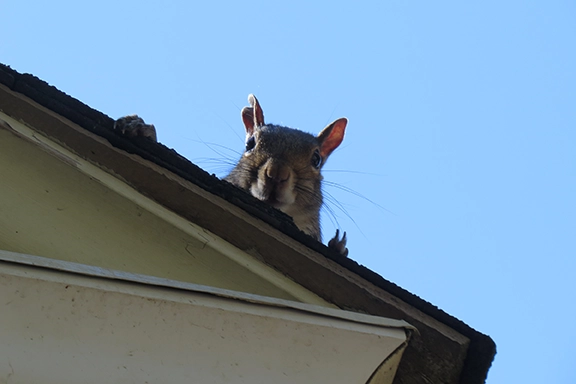
Seeing squirrels around your home may seem harmless, but these common rodents can cause significant damage to homes if they gain access to your attic, chimney, or walls. While squirrels are an important part of Florida’s wildlife, they often become nuisance pests when they begin building nests inside residential structures.
Many homeowners don’t realize the extent to which squirrel damage to homes can be until they discover damaged insulation, chewed wiring, or roof leaks. Understanding why squirrels enter homes and taking steps to prevent their damage can help protect your home and avoid costly repairs.
Why Do Squirrels Enter Homes?
Squirrels look for safe, dry places to build their nests, especially during breeding seasons and cooler weather. Unfortunately, attics often provide ideal shelter from predators and the elements.
Squirrels commonly gain access through:
- Damaged soffits
- Gable vents
- Roofline gaps
- Chimneys
- Loose siding
- Roof vents
- Open eaves
Because squirrels are excellent climbers, they can easily reach rooftops by using nearby trees, fences, or utility lines.
Once inside, they begin gathering nesting material and may remain for weeks if the entry point is not sealed.
Common Types of Squirrel Damage to Homes
A squirrel infestation can result in much more than noisy attic activity. As rodents, squirrels constantly gnaw to keep their teeth from becoming overgrown.
Common squirrel damage includes:
- Chewed electrical wiring
- Damaged insulation
- Torn ductwork
- Chewed siding
- Roof damage
- Damaged soffits
- Water damage from roof openings
- Contaminated insulation from droppings and urine
Squirrels can chew through wood, drywall, plastic, and other materials like wood trim to create or enlarge entry points.
Signs of a Squirrel Infestation
Early detection can help prevent more extensive squirrel damage to your home.
Common signs include:
- Noises coming from the attic or inside the walls
- Squirrel droppings
- Gnaw marks around entry points
- Nesting material in the attic
- Chewed electrical wires
- Damaged vents or soffits
- Visible squirrels entering the roofline
Homeowners should also look for droppings near attic access points or around potential entry areas.
If squirrels are entering your home daily, there is likely an established nest inside the structure.
Why Squirrel Damage Can Become Expensive
Many homeowners underestimate how quickly squirrel damage can add up.
Chewed electrical wiring creates a potential fire hazard, while damaged insulation reduces your home’s energy efficiency. Openings created along the roofline may also allow rainwater inside, leading to water damage, mold growth, and expensive structural repairs.
Squirrels may also create openings that allow additional wildlife such as raccoons, rodents, or other critters to enter the home.
The longer a squirrel infestation remains untreated, the more extensive the damage may become.
How to Prevent Squirrel Damage
Fortunately, homeowners can take several steps to help keep squirrels away from their home and property.
Effective ways to prevent squirrel damage include:
- Trim tree branches away from the roof.
- Install chimney caps.
- Repair damaged soffits and siding.
- Cover gable vents with wildlife-resistant screening.
- Seal potential entry points.
- Install metal flashing or sheet metal around vulnerable roof areas.
- Remove pet food from outdoor areas.
- Secure bird feeders away from the home.
These simple steps can help keep squirrels away while reducing opportunities for nest building.
Can You Remove Squirrels Yourself?
Many homeowners attempt trapping and relocating squirrels after discovering activity in the attic.
However, squirrel removal can be more complicated than it appears. Young squirrels may still be inside the nest, and relocating wildlife is regulated in many areas. Improper removal can separate mothers from their young or allow additional squirrels to enter through the same opening.
Professional squirrel control focuses on safely removing squirrels, identifying all entry points, and permanently sealing the home to prevent future infestations.
When Professional Squirrel Removal Is Necessary
Professional squirrel removal is recommended when:
- Squirrels have gained access to your attic.
- You hear repeated noises inside the walls or ceiling.
- Roof damage is visible.
- Electrical wires have been chewed.
- You suspect a squirrel infestation.
- DIY efforts have failed to keep squirrels away.
A professional wildlife inspection can identify squirrel activity, evaluate damage, locate every entry point, and recommend effective squirrel control solutions designed specifically for your home.
Prevent Squirrel Damage Before It Starts
Squirrels may appear harmless outdoors, but once they begin building nests inside your home, they can cause significant property damage. From chewed wiring and damaged insulation to roof leaks and contaminated attic spaces, squirrel damage can become expensive if left unaddressed.
Taking early steps to prevent squirrels from gaining access, repairing vulnerable areas, and scheduling professional squirrel removal when needed can help protect your home and keep it squirrel-free for years to come.
At Wildlife Works, we help Florida homeowners identify squirrel activity, safely remove squirrels from attics and other structures, repair vulnerable entry points, and develop long-term solutions that prevent squirrel damage to homes while protecting your home and property.
Need Help?
Call Now: 352-717-8727
Don’t wait for wildlife or pest problems to escalate. Get expert help today.