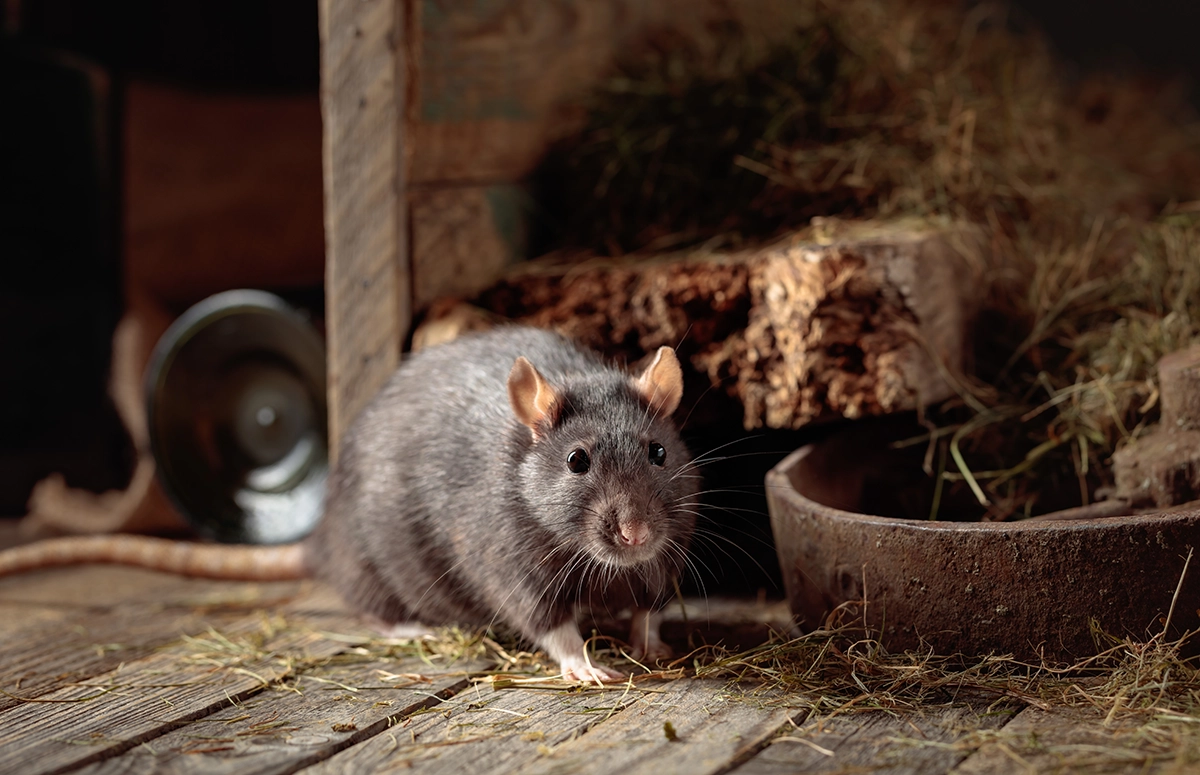
Effective rodent control for horse barns and equine centers requires more than setting traps after rats or mice appear. Horse farms naturally provide food, water, shelter, and protected nesting sites that can allow a rodent population to become established.
For horse owners, the challenge is to control rodents while protecting horses, livestock, barn cats, dogs, people, and non-target wildlife. At Wildlife Works, pest control around horses begins with an integrated approach combining sanitation, habitat modification, exclusion, monitoring, physical barriers, and carefully selected control measures such as Evolve® Rat Birth Control® by SenesTech.
Why Horse Farms Develop Rodent Problems
A barn can provide nearly everything rats and mice need. Common attractants include:
Horse feed and supplements
Open or damaged feed bags
Spilled grain
Pet, livestock, or poultry feed
Manure and soiled bedding
Garbage
Standing water
Hay and nesting material
Enclosed spaces where rodents can hide
Because rodents are often most active at night, a small problem can grow before horses or farm staff regularly see the animals themselves.
Common signs include rat droppings or mouse feces, gnaw marks, damaged feed bags, nesting material, holes around buildings, stale odors, and sounds of scratching or chewing. EPA recommends watching for droppings, chewed food packaging, nesting materials, holes, and odors from hidden areas when identifying a possible infestation.
Integrated Rodent Control for Horse Barns, Equine Centers and Farms
Successful rodent management starts by determining where rodents eat, hide, travel, and gain access.
Rather than depending on one poison, trap, or bait, an integrated program combines different control measures. This may include securing food, eliminating water sources, modifying habitat, sealing entry points, monitoring activity, trapping, and managing reproduction.
Habitat modification is particularly important outdoors. Removing clutter, deep vegetation, debris, and other potential shelter reduces the number of places rodents can establish nests around barns and farm buildings. EPA similarly recommends eliminating nesting areas while removing accessible food and water.
Store Feed Properly and Eliminate Easy Access
Rats and mice are especially attracted to grain and horse feed. They can chew through feed bags and contaminate food with urine and droppings.
Store feed in rodent-resistant containers, clean spilled grain promptly, secure garbage, and inspect feed rooms on a regular basis.
Structural exclusion is equally important. Rodents can exploit remarkably small openings, so gaps around doors, walls, roofs, foundations, vents, and water pipes should be inspected and sealed appropriately.
Rodents also tend to remain relatively close to established shelter. UF/IFAS notes that rats generally travel no more than about 100 feet from nesting sites, while mice typically travel considerably shorter distances. Finding activity in a barn can therefore provide important clues about where shelter, food, and entry points are located.
Snap Traps, Bait Stations, and Other Rodent Control Measures
Different rodent problems require different control methods.
Snap traps can be an effective solution for smaller infestations or enclosed locations where poison baits may create additional concerns. UF/IFAS describes trapping as an underrated rodent-control method and notes that traps can be particularly useful where poison bait would present a hazard.
Live traps require frequent monitoring and appropriate handling. Glue traps also present animal-welfare and non-target capture concerns.
Barn cats may catch individual mice or rats, but predators alone shouldn’t be expected to control an established infestation.
This becomes particularly important when conventional rodenticides are involved. A poisoned rat or mouse may be consumed by a cat, dog, raptor, or other predator. EPA notes that certain rodenticides can create secondary-poisoning risks for pets and non-target wildlife.
Dead rodents should also be promptly removed and appropriately disposed of.
Evolve Rat Birth Control for Equine Rodent Management
Wildlife Works can incorporate Evolve Rat Birth Control® from SenesTech into a comprehensive rodent-control program.
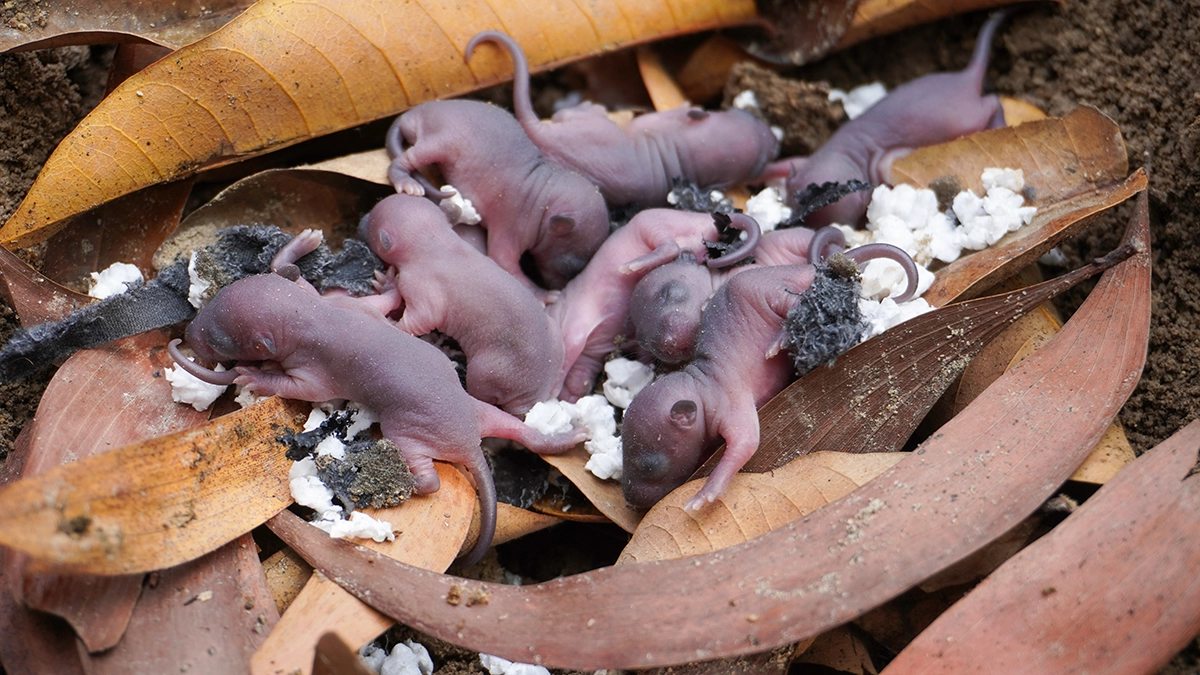
Evolve is a non-lethal soft bait designed to manage rat populations by restricting reproduction rather than functioning as a conventional lethal rodenticide. Continued consumption restricts fertility in male and female rats, helping reduce the number of new pups entering the population over time.
Rather than focusing exclusively on killing existing rats, fertility control addresses one of the underlying reasons populations can persist: reproduction.
Evolve doesn’t replace sanitation, exclusion, trapping, or monitoring. It provides Wildlife Works with another tool that can be incorporated into a larger Integrated Pest Management strategy.
Using Bait Stations Around Horses and Other Animals
Placement is especially important on horse farms because horses, dogs, cats, livestock, children, and wildlife may share the environment.
EPA requires tamper-resistant bait stations for certain rodenticide applications where children, pets, domestic animals, or non-target wildlife may have access. More robust stations may be necessary in locations accessible to hoofed livestock.
Wildlife Works can similarly place Evolve in secure bait stations positioned according to identified rat activity.
Regardless of the product, bait stations aren’t a substitute for good farm management. Rats and mice still have little reason to seek control bait if they have easy access to spilled grain, open feed bags, garbage, or other attractive food.
Reducing the Risk of Future Rodent Infestations
Long-term rodent control means making the entire property less hospitable.
Horse owners can help by sealing structural gaps, repairing damaged doors, protecting openings around pipes and utilities, storing feed securely, managing garbage, eliminating unnecessary shelter, and monitoring barns for fresh droppings or gnaw marks.
This combination of food management, habitat modification, exclusion, monitoring, and population control is more sustainable than repeatedly responding after rodents have already established themselves.
Building a Smarter Rodent Control Program for Horse Farms
Effective rodent control for horse barns isn’t based on one snap trap, barn cat, bait station, or poison. The better approach is to understand why rodents are present and address the conditions supporting the population.
For Wildlife Works, that means combining sanitation, feed management, structural exclusion, monitoring, carefully selected traps or bait stations, and reproductive-control options such as Evolve when appropriate.
At Wildlife Works, we develop rodent-control programs around the individual needs of Florida horse farms and equine centers. By addressing both existing rodents and the conditions that allow infestations to develop, we help horse owners protect their horses, feed, barns, and property with a more comprehensive approach to long-term rodent management.
Need Help?
Call Now: 352-717-8727
Don’t wait for wildlife or pest problems to escalate. Get expert help today.