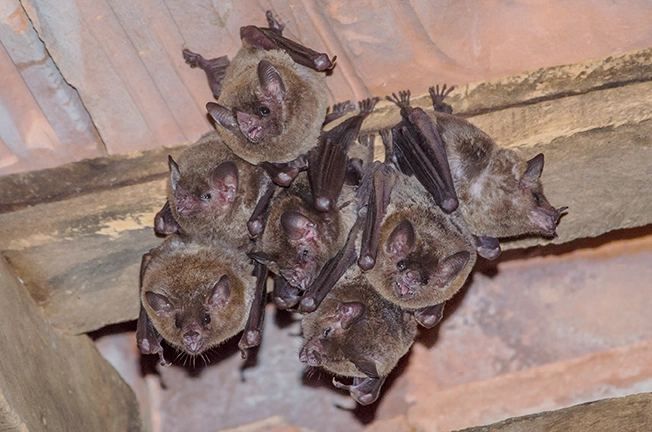
Hearing scratching noises in the attic or seeing a flying bat inside your home can be alarming. If you’re searching for how to remove bats from the house, it’s important to know that many bat species are protected by state and federal regulations.
Whether you’ve found a single bat in your living room or suspect a colony of bats is roosting in your attic, the safest solution is one that protects both your family and the bats themselves. Humane bat removal focuses on allowing bats to leave naturally while preventing them from returning.
Understanding why bats enter homes and the proper way to remove bats can help you resolve a bat problem safely and legally.
Why Are Bats in Your Home?
Bats often seek out quiet, protected spaces that resemble the natural roosts they use in the wild. Unfortunately, attics, chimneys, wall voids, and other areas of homes provide ideal shelter.
Bats may enter homes through:
- Gaps along rooflines
- Damaged soffits
- Unsealed attic vents
- Chimneys
- Loose flashing
- Openings around utility lines
Because bats can easily squeeze through openings as small as 3/8 of an inch, even tiny entry points can allow them access.
Many species of bats prefer warm, undisturbed spaces where they can roost, hibernate during colder weather, or raise their young during maternity season, which in Florida typically runs from April 15 to August 15.
What Should You Do If You Find a Single Bat?
If you find a bat indoors it doesn’t always mean you have bats in your attic.
Occasionally, a single bat may find its way inside through an open door, fireplace, or small opening.
If the bat is flying:
- Stay calm.
- Close interior doors to limit where it can fly.
- Open an exterior window or door.
- Turn off indoor lights and allow the bat to leave on its own.
If the bat has landed, never try to pick up the bat with bare hands.
Instead:
- Wear thick work gloves if handling becomes absolutely necessary.
- Place a box over the bat.
- Carefully slide a piece of cardboard underneath the box.
- Carry the bat outside to release it only if it appears healthy and active.
If anyone has been bitten or scratched by a bat, or there is any possibility of contact while someone was sleeping, do not release the bat. Contact your local health department immediately, as testing may be recommended because bats can carry rabies, even though the disease is uncommon.
Why You Should Never Remove Bats During Maternity Season
Many homeowners don’t realize that bats are protected, especially during maternity season from April 15 to August 15.
Female bats gather in maternity colonies to raise their young, called pups. Young bats cannot fly for several weeks after birth.
Attempting to remove bats during maternity season can trap flightless pups inside the attic, resulting in deaths, odors, and additional wildlife problems.
Professional bat removal companies carefully schedule exclusion work after biologists determine the young are capable of flying and bats have left the structure on their own.
How to Remove Bats from Your Home
The safest and most effective way to get rid of bats is through bat exclusion rather than trapping or relocating them.
A professional bat removal process typically includes:
- Inspecting the structure to identify all entry points.
- Sealing every secondary opening.
- Installing one-way exclusion devices that allow bats to leave but prevent them from re-entering.
- Monitoring the structure to confirm all bats have exited.
- Permanently sealing the primary entry points.
This humane process allows bats to leave naturally without harming the colony.
Because many bat species are federally protected, attempting to trap, poison, or relocate bats is not recommended and may violate wildlife regulations.
Why Bats Return to the Same Roost
Bats are highly loyal to established roosting sites.
Once a colony discovers a safe attic, chimney, or wall void, they often return year after year unless the entry points are professionally sealed.
Even after successful bat removal, failing to seal access points can allow future colonies to re-enter the structure.
Some homeowners install a bat house nearby after exclusion. A bat house provides an alternative roost while allowing bats to continue feeding on insects at night away from the home.
Supporting bat conservation helps protect these valuable animals while reducing conflicts with homeowners.
Health Risks Associated with Bats
Although bats provide tremendous environmental benefits by consuming thousands of insects each night, they should never be handled unnecessarily.
Potential health risks include:
- Rabies exposure through bites or scratches
- Bat droppings (guano) accumulating in the attic
- Odors from long-term roosting
- Parasites associated with bat colonies
Most health concerns arise from improper handling or long-term attic infestations rather than from bats simply flying outdoors.
How to Prevent Bats from Returning
Once bats have been excluded, preventing future problems depends on maintaining the home’s exterior.
Helpful prevention measures include:
- Seal roofline gaps
- Repair damaged soffits
- Screen attic vents
- Install chimney caps
- Inspect flashing and fascia
- Monitor previous entry points annually
Routine inspections can help identify new openings before bats enter your home again.
When Professional Bat Removal Is Necessary
While a single bat may occasionally leave on its own, a bat problem involving an attic or wall void requires specialized equipment and knowledge.
Professional bat removal is recommended when:
- You see bats leaving the roof at dusk.
- You hear activity in the attic.
- Bat droppings accumulate below entry points.
- Multiple bats are found in the home.
- You suspect a colony of bats is present.
Experienced wildlife specialists understand local wildlife regulations, proper exclusion timing, and humane removal techniques that protect both homeowners and bats.
Why Humane Bat Removal Matters
Bats play a vital role in Florida’s ecosystem by consuming enormous numbers of mosquitoes and other insects each night. At the same time, bats found in buildings can create health concerns and property damage if allowed to remain.
The most effective solution is bat exclusion, which allows bats to leave safely while preventing them from returning. Early action also helps avoid larger colonies, protects your home from guano accumulation, and ensures removal is completed outside of maternity season whenever possible.
At Wildlife Works, we specialize in professional bat removal and exclusion throughout Central Florida. Our team safely removes bats from homes, seals entry points, and helps homeowners protect their property while supporting responsible bat conservation.
Need Help?
Call Now: 352-717-8727
Don’t wait for wildlife or pest problems to escalate. Get expert help today.