Managing insects is an important part of keeping horses healthy, comfortable, and productive. Whether you own a small boarding stable or manage a large equine facility, an effective horse farm pest control program helps protect horses, reduce insect populations, and create a safer environment for both animals and people.
From mosquitoes and biting flies to horse flies and stable flies, insect pests can cause stress, spread disease, and interfere with daily operations. The most successful insect control for horses combines sanitation, fly management, and integrated pest management strategies to provide long-term protection throughout the insect season.
Why Pest Control Is Important on Horse Farms
Horse farms naturally provide many of the conditions that attract insects.
Common attractants include:
- Manure
- Moist bedding
- Standing water
- Decaying organic matter
- Feed spills
- Organic waste
Without proper pest control, these conditions allow insect populations to grow rapidly, increasing the number of pests around horse barns and pastures.
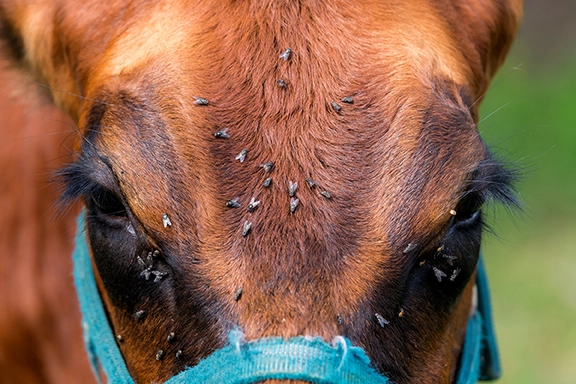
Heavy insect activity can make horses uncomfortable, reduce grazing time, and create additional challenges for horse owners and farm managers.
Common Horse Pests
Several pests are commonly found around horse farms:
Stable Flies
Stable flies are aggressive biting flies that feed on the legs and lower body of horses. Their painful bites can make horses stomp, kick, and become restless.
Horse Flies
Horse flies are larger biting flies that deliver painful bites and may affect horses during turnout.
House Flies
Although house flies do not bite, they breed quickly in manure and organic matter, increasing overall fly populations around barns.
Mosquitoes
Mosquitoes are more than just a nuisance. They can transmit diseases such as West Nile virus, making mosquito control an important part of livestock pest control.
Horse Bots and Ticks
Horse bots and ticks are additional horse pests that may require seasonal management as part of a comprehensive insect control plan.
Paper Wasps
Paper wasps frequently build nests beneath roof overhangs, inside barns, on fences, and around equipment. While they are generally less aggressive than yellow jackets, they will defend their nests if disturbed. Their painful stings can create dangerous situations for horses, employees, riders, and visitors, especially around entrances, tack rooms, and riding arenas.
Rodents
Additionally, mice and rats are also attracted to horse farms by grain, livestock feed, hay, and shelter. Once established, rodents contaminate feed with droppings and urine, chew electrical wiring, damage insulation, and create entry points throughout barns and outbuildings. They may also attract snakes and other predators searching for food.
How Insects Affect Horses
Heavy insect pressure can negatively affect both horses and farm operations.
Common problems include:
- Constant irritation
- Weight loss from reduced grazing
- Stress and anxiety
- Insect bite hypersensitivity
- Reduced performance
- Increased disease risk
Fly bites can also increase the risk of equine infectious anemia and other insect-borne diseases in some regions.
Protecting the horse from repeated insect bites helps improve comfort, health, and overall well-being.
Attempting to remove bats during maternity season can trap flightless pups inside the attic, resulting in deaths, odors, and additional wildlife problems.
Professional bat removal companies carefully schedule exclusion work after biologists determine the young are capable of flying and bats have left the structure on their own.
Integrated Pest Management for Horse Farms
The most effective pest control programs rely on Integrated Pest Management (IPM) rather than a single control method.
An effective insect control plan often combines:
- Cultural control
- Mechanical control
- Biological control
- Chemical control
Using multiple insect control methods helps reduce the fly population while minimizing unnecessary pesticide use.
Insect Control Strategies for Horses
Good sanitation remains one of the most effective ways to reduce insect pests.
Helpful prevention measures include:
- Daily manure management
- Removing decaying organic matter
- Eliminating standing water
- Cleaning feed areas & storing feed properly
- Keep stalls dry
- Lowering moisture around barns
These simple steps help reduce insect breeding areas and improve overall pest control around horse barns.
Fly Control for Horses
No single product provides complete fly control for horses. Instead, combining several control measures usually provides the best results.
Common fly management tools include:
- Fly sprays
- Fly sheets
- Fly masks
- Fly wraps
- Fly boots
- Insect repellent products
- Fly traps
- Fly baits
These products help protect horses while reducing insect pressure during peak insect season.
When selecting fly sprays or insecticides, choose products labeled for horses and follow all directions regarding active ingredients and application intervals.
Chemical and Biological Control Options
Chemical insect control may include residual sprays, insecticides, or insect growth regulators that target developing fly larvae and fly pupae.
Biological control methods encourage beneficial insects that naturally reduce fly populations without harming horses or the environment.
Many horse farms benefit from combining biological control with carefully planned chemical control for long-term pest management.
When Professional Pest Control Is Necessary
Large horse farms, breeding facilities, and boarding operations often require professional pest control to manage heavy insect populations.
Professional insect control may be beneficial when:
- Fly populations remain high despite routine management
- Mosquito activity increases
- Stable flies become difficult to control
- Existing control methods are no longer effective
- A customized insect control plan is needed
A professional pest control provider can evaluate your facility, identify specific fly species, recommend effective control options, and develop long-term pest management strategies designed for horse and livestock operations.
Protect Your Horses, Barn, and Investment
Effective pest control is essential for any horse farm. By reducing insect populations early, horse owners can improve horse comfort, reduce disease risks, and create a healthier environment for horses and humans alike.
The best results come from combining manure management, sanitation, integrated pest management, and appropriate insect control methods throughout the year. Early intervention helps protect horses from biting insects while reducing the conditions that allow pests to thrive.
At Wildlife Works, we provide professional horse farm pest control services designed to protect equine facilities throughout Central Florida. From comprehensive inspections and fly management strategies to customized insect control programs, we help horse owners reduce pests, protect their investment, and maintain healthier barns year-round.
Need Help?
Call Now: 352-717-8727
Don’t wait for wildlife or pest problems to escalate. Get expert help today.