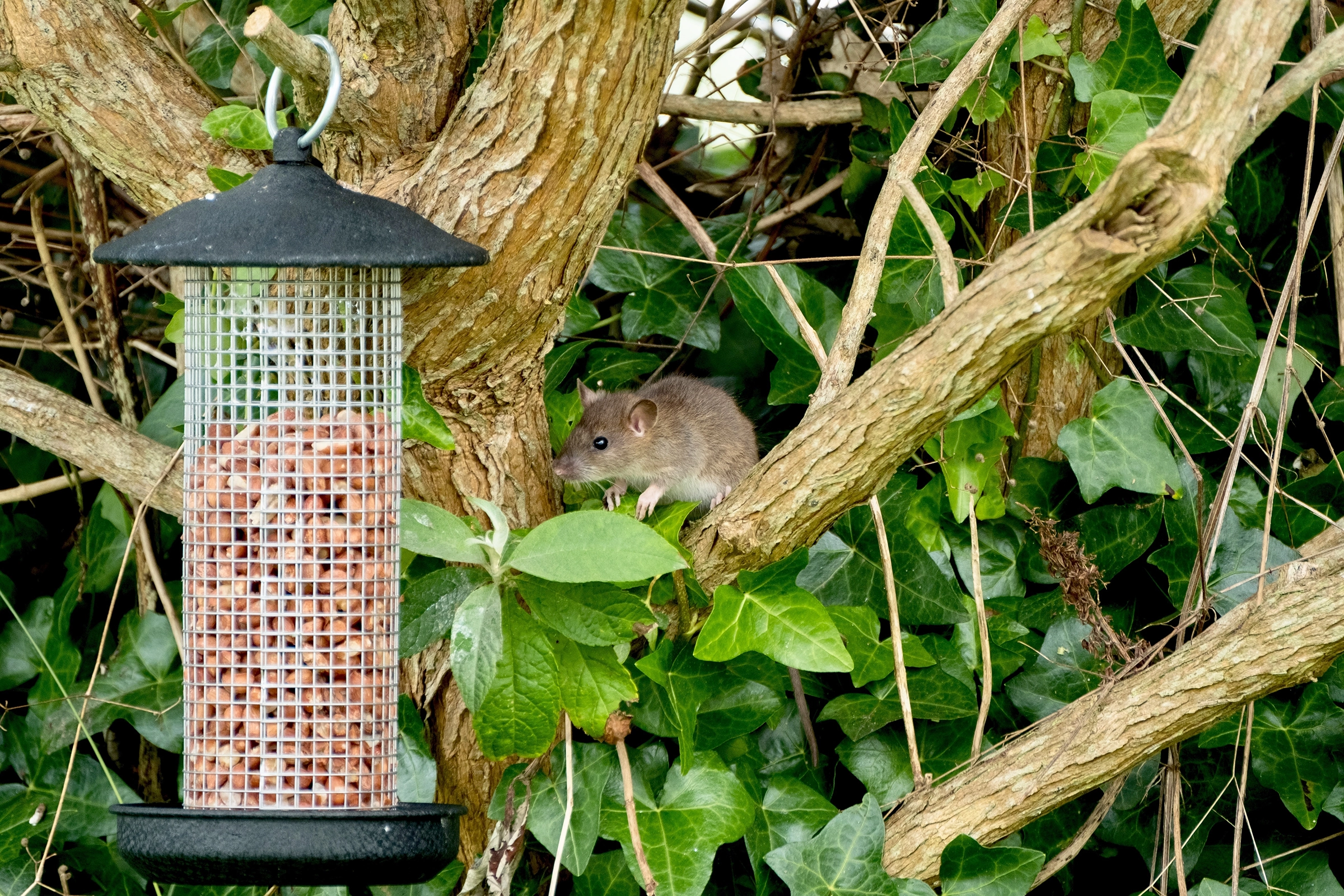
Rats and mice are common problems for Florida homes, businesses, farms, barns, and equine facilities. Florida’s warm climate, abundant food sources, vegetation, and year-round access to shelter create favorable conditions for rodents to live and reproduce. Because rodents reproduce quickly, a small problem can become a significant infestation.
Effective rodent control in Florida requires more than removing the rats or mice you can see. Long-term control combines inspection, population reduction, sanitation, exclusion, and ongoing monitoring. Wildlife Works provides professional rodent control, rodent removal, and rodent exclusion services throughout Central Florida.
Why Are Rodents a Problem in Florida?
Rodents thrive where they can find three basic necessities: food, water, and shelter. Florida properties can provide all three throughout the year. Homes offer protected attics, garages, wall voids, and storage areas, while commercial properties, farms, barns, feed rooms, and agricultural buildings may provide additional food and nesting opportunities.
What Rodents Are Common in Florida?
Roof Rats
Roof rats are excellent climbers and frequently use trees, fences, utility lines, and roofs to reach buildings. They may enter through rooflines, soffits, vents, eaves, and utility penetrations before nesting in attics or other elevated areas.
Norway Rats
Norway rats are generally larger and more ground-oriented than roof rats. They may live around foundations, garbage areas, storage buildings, commercial properties, farms, and other locations where food and water are readily available.
House Mice
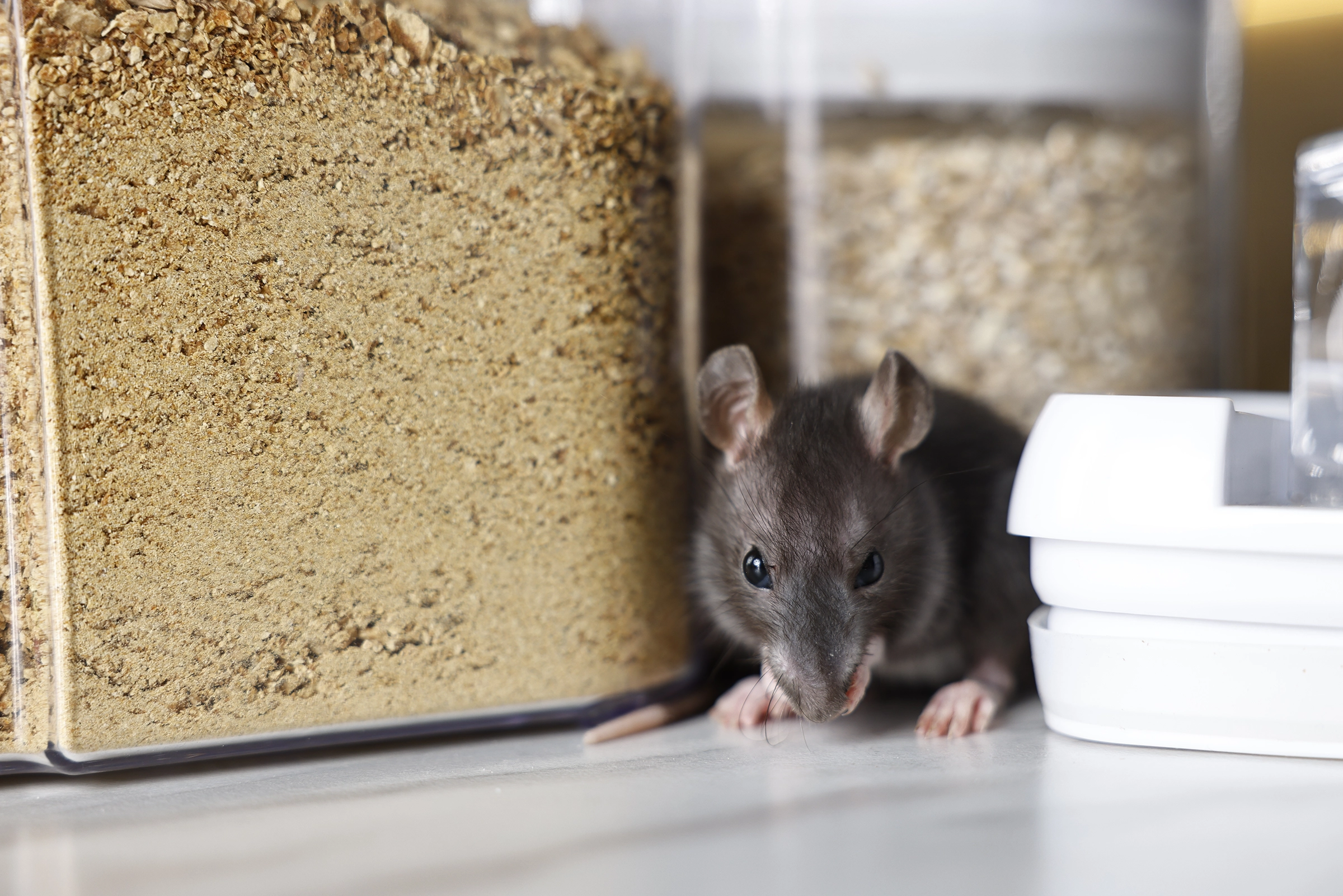
House mice are much smaller than rats and can enter through extremely small openings. According to the CDC, a mouse can fit through a hole approximately ¼ inch, or 6 millimeters, wide. This makes even seemingly minor gaps potential entry points.
What Are the Signs of a Rodent Infestation?
Common signs of rodent activity include droppings, gnaw marks, urine stains, damaged food packaging, nesting materials, unusual odors, and scratching or gnawing noises, particularly at night. Rodents may build nests from shredded paper, fabric, insulation, and other soft materials. Chewed electrical wiring, damaged insulation, or repeated pet interest in walls, cabinets, and attics can also indicate a rodent problem.
Are Rats and Mice Dangerous?
Health and Contamination Risks
Rodents can contaminate areas with droppings, urine, saliva, hair, and nesting materials. They may also contaminate human food, pet food, livestock feed, storage areas, and food-preparation surfaces. The CDC identifies several diseases that can spread to people directly or indirectly through rodents.
Property Damage
Rats and mice gnaw regularly and can damage electrical wiring, insulation, wood, food packaging, feed bags, equipment, and stored belongings. Damaged electrical wiring can also create a potential fire hazard.
How Do Rodents Get Inside?
Rodents may enter through gaps around doors, foundations, rooflines, soffits, vents, siding, plumbing, HVAC openings, and utility penetrations. Vegetation and tree limbs close to a building can also provide access routes, particularly for roof rats. Identifying these potential entry points is an important part of a thorough rodent inspection.
What Attracts Rats and Mice?
Common attractants include pet food, horse and livestock feed, bird seed, garbage, food spills, fruit, standing water, leaking plumbing, dense vegetation, cardboard, clutter, hay, and bedding. Rodent sanitation means reducing accessible food, water, and shelter. Food and animal feed should be stored in durable, tightly sealed containers where appropriate, garbage should be secured, and spills should be cleaned promptly.
How Does Professional Rodent Control Work?
1-Inspect the Property
Effective rodent control begins with a thorough inspection for droppings, gnaw marks, nesting sites, food sources, travel routes, damaged materials, and actual or potential entry points.
2-Identify the Rodent
Roof rats, Norway rats, and house mice behave differently. Correct identification helps determine where rodents are likely to travel, feed, and nest and which control methods may be appropriate.
3-Develop a Treatment Plan
A professional treatment plan should reflect the severity and location of the infestation, building construction, food and water sources, entry points, and the presence of people, pets, horses, livestock, or wildlife.
4-Reduce the Rodent Population
Depending on the property, professional rodent control may include traps, bait stations, or other appropriate control methods such as non-lethal mouse and rat birth control. Placement should be based on evidence of rodent activity and the conditions of the property.
5-Complete Rodent Exclusion
Rodent exclusion means sealing gaps, cracks, holes, and other openings that rats and mice use to enter a structure. Appropriate exclusion methods may include metal flashing, hardware cloth, steel mesh, or other rodent-resistant materials.
6-Monitor and Prevent Future Activity
Long-term rodent control includes monitoring for new activity, maintaining exclusion repairs, managing food and garbage, reducing shelter and nesting materials, and correcting new entry points when they appear.
What Is Integrated Pest Management?
Integrated Pest Management (IPM) combines multiple control and prevention strategies rather than relying on a single method. For rodent problems, this can include inspection, sanitation, population reduction, exclusion, habitat modification, and monitoring. The objective is not simply to remove an individual rat or mouse but to address the conditions supporting the infestation.
Why Is Rodent Exclusion Important?
Removing rodents without correcting their entry points may leave a building or home vulnerable to another infestation. Sealing openings with appropriate rodent-resistant materials helps prevent rats and mice from returning. Because mice can enter through openings as small as approximately ¼ inch, a detailed structural inspection can uncover access points that are easy to overlook.
How Can You Help Prevent Rodents?
Prevention starts with reducing food, water, shelter, and access. Store food, pet food, and animal feed securely; keep garbage containers tightly covered; clean up spills; repair leaks; reduce clutter; maintain vegetation around buildings; and inspect vulnerable areas regularly. These steps work best when combined with effective population control and rodent exclusion.
Rodent Control for Florida Homes
Rats and mice may nest in attics, walls, garages, cabinets, storage areas, and crawl spaces. Effective residential rodent control should determine what rodent is present, where it is active, how it entered, and what conditions are allowing it to remain. Addressing all four questions provides a more comprehensive solution than simply trapping the rodent that was seen.
Rodent Control for Farms, Barns & Equine Facilities
Rodent control presents unique challenges on Florida farms and equine properties. Horse feed, grain, hay, bedding, water, feed rooms, tack rooms, equipment sheds, and storage areas can provide abundant food and shelter. At the same time, barns are designed for airflow and easy movement, making complete exclusion more challenging.
Control methods must also account for horses, livestock, pets, wildlife, employees, and visitors. Wildlife Works has first-hand experience addressing rodent infestations in Florida barns, including a documented project involving droppings, rub marks, nesting areas, and multiple rats using storage spaces. This field experience is important because rodent control in a horse barn is not the same as rodent control in a residential kitchen or attic.
What Is the Safest Rodent Control Around Horses?
There is no single rodent-control method appropriate for every barn or equine facility. A treatment plan should consider the rodent species, severity of the infestation, barn construction, feed and water locations, animal access, and whether pets, children, wildlife, employees, or visitors could encounter control devices. Feed management, sanitation, exclusion, monitoring, and carefully selected control methods should work together.
Do Barn Cats Control Rats and Mice?
Barn cats may catch individual rodents, but they do not eliminate the food, water, nesting sites, and structural openings that support an infestation. Cats should not replace secure feed storage, sanitation, monitoring, exclusion, and an overall rodent-control plan.
Commercial Rodent Control
Rodents can create sanitation, property, inventory, equipment, and reputation problems for restaurants, warehouses, offices, retail facilities, storage buildings, agricultural businesses, and other commercial properties. Commercial rodent control should combine inspection, an appropriate treatment plan, exclusion, sanitation recommendations, and ongoing prevention.
What Should You Do About Rodent Droppings?
Do not sweep or vacuum dry rodent droppings, urine, or nesting materials. The CDC recommends wetting contaminated material with an appropriate disinfectant before wiping it up and using appropriate protective precautions. Heavy infestations or extensive contamination may require additional precautions or professional assistance.
When Should You Call a Rodent Control Expert?
Professional rodent control may be appropriate when rodents repeatedly return, droppings continue to appear, activity occurs inside walls or inaccessible areas, entry points cannot be identified, property is being damaged, or DIY methods have not resolved the problem. Professional help is also particularly valuable for commercial properties, farms, barns, and equine facilities, where rodent control may involve additional structural and safety considerations.
Professional Rodent Control in Central Florida
Wildlife Works provides rodent control, rat and mouse removal, rodent exclusion, and prevention solutions throughout Central Florida. Our experience with local homes, businesses, farms, barns, and agricultural properties helps us evaluate the structures, climate, vegetation, food sources, and other conditions contributing to a rodent problem.
Our goal is to identify why the infestation exists, address current rodent activity, locate potential entry points, and help reduce the conditions that can lead to future infestations.
Need Help?
Call Now: 352-717-8727
Don’t wait for wildlife or pest problems to escalate. Get expert help today.
Request Your Free Inspection.
Sources & Expert Review
Reviewed Against: CDC rodent control and cleanup guidance; EPA Integrated Pest Management and rodent-control guidance; UF/IFAS Florida rodent-control guidance; and Wildlife Works’ documented Central Florida field experience.
Wildlife Works Field Evidence: Rat Removal at Florida Barn – Efficient Infestation Control in Storage Areas
Last Reviewed: September 2026
Next Review: September 2027, or sooner if authoritative guidance changes.