
Finding bugs in your flour, cereal, or pet food can be alarming. If you’ve discovered insects inside your kitchen cabinets, you may be asking, what are pantry pests?
Pantry pests are insects that infest stored food products inside homes. These common pests often enter kitchens through packaged foods and may spread to additional food items stored in cupboards and pantry shelves.
Although these insects typically do not bite people or damage structures, they can contaminate food products and create frustrating infestations. Understanding what pantry pests are, how they get into homes, and how to get rid of them can help protect your food and prevent future problems.
What Are Pantry Pests?
Pantry pests are insects that feed on stored products and dry foods. They are often referred to as “pantry pests” because they infest food items stored in kitchens, cupboards, and pantries.
Common food sources include:
- Flour
- Cereal
- Rice
- Pasta
- Pet food
- Dry pet food
- Birdseed
- Dried fruit
- Cake mixes
- Powdered milk
- Grain products
- Dog food
Many pantry bugs enter homes inside unopened packages. Eggs or larvae may already be present inside a food product before it reaches your home.
Once the insects hatch, they may spread to nearby foods and create larger infestations.
Common Pantry Pests Found in Homes
There are several kinds insects that commonly infest stored foods.
Indian Meal Moths
The Indian meal moth, is one of the most common pantry pests. Adult moths frequently fly around kitchens while larvae feed on grains, cereal, and dried foods.
These meal moths often leave behind silk webbing inside packages.
Flour Beetles
Flour beetles, including the red flour beetle, are small reddish-brown insects that infest flour, cereals, and baking products.
Because flour beetles reproduce quickly, infestations may spread throughout pantry shelves.
Rice Weevils
Rice weevils and other grain weevils infest rice, pasta, and grain products. Female weevils lay eggs directly on food, allowing larvae to develop inside the grain.
Sawtoothed Grain Beetles
The sawtoothed grain beetle commonly infests processed foods, cereals, dried fruits, and packaged goods.
Drugstore Beetles
Drugstore beetles feed on dried plant materials, spices, grains, and even some non-food products.
Proper identification can help determine the insect you are dealing with and guide treatment efforts.
How Do Pantry Pests Get Into Your Home?
Most pantry pest infestations begin with contaminated food products.
Pantry pests may enter through:
- Grocery purchases
- Bulk foods
- Birdseed
- Pet food
- Dry pet food
- Dog food
- Unopened packages
Some insects can even get into unopened packages by chewing through cardboard, paper, or thin packaging materials.
Because insects lay eggs on food products, homeowners may unknowingly bring pantry pests home from the store.
Signs of a Pantry Pest Infestation
Several warning signs may indicate a pantry pest invasion.
Look for:
- Adult moths flying in the kitchen
- Small beetles on pantry shelves
- Webs inside food packages
- Larvae in cereal or flour
- Clumped food products
- Insects near cupboards and pantry areas
Indian meal moths frequently leave silk webbing, while beetles often appear around stored foods.
Repeated sightings usually indicate that additional food sources have become infested.
Are Pantry Pests Harmful?
Pantry pests are generally considered nuisance pests.
They do not:
- Bite people
- Spread diseases
- Damage structures
- Sting humans
However, pantry bugs can contaminate food products with:
- Eggs
- Larvae
- Shed skins
- Webbing
- Insect waste
For food safety reasons, heavily infested foods should be discarded.
How to Get Rid of Pantry Bugs
If you have bugs in your pantry, here’s how to get rid of them:
- Inspect all food products.
- Throw away infested food.
- Vacuum pantry shelves thoroughly.
- Clean cupboards and pantry areas.
- Inspect cracks and crevices.
- Remove spilled food and crumbs.
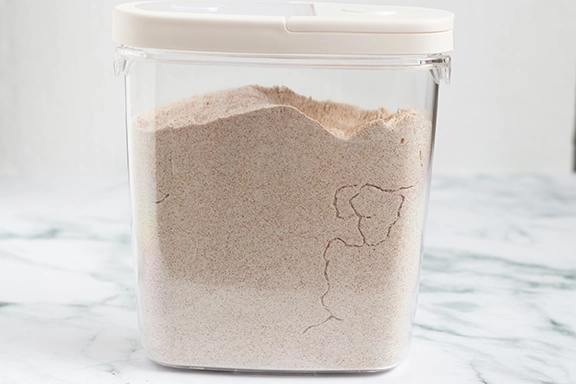
After cleaning, store foods in tightly closed glass or plastic containers.
Some homeowners take suspected items and put them in the freezer at 0 degrees to kill any eggs or insects that may be present.
How to Get RidHow to Prevent Pantry Pests of Pantry Bugs
Long-term prevention focuses on proper food storage.
To help prevent pantry pests:
- Store foods in airtight containers.
- Buy dried foods in quantities that will be used quickly.
- Inspect packages before storing them.
- Clean pantry shelves regularly.
- Remove spilled food promptly.
- Rotate older products first.
Proper food storage helps keep pantry pests away and reduces the likelihood that foods become infested.
When Professional Pest Control May Be Necessary
Many pantry pest problems can be resolved through sanitation and removing contaminated foods.
However, professional pest control may be beneficial when:
- Pantry pests continue returning.
- Multiple areas become infested.
- The source cannot be identified.
- Large infestations develop.
A pest control professional can inspect potential food sources, identify stored product pests, and recommend long-term solutions.
Why Early Pantry Pest Control Is Important
Although pantry pests do not typically pose serious health risks, they can contaminate stored foods and create frustrating infestations. Because many insects enter homes inside packaged foods, even clean kitchens can experience problems.
By inspecting food products, storing foods properly, and addressing infestations early, homeowners can protect both their food supply and their peace of mind.
At Wildlife Works, we help Florida homeowners identify pantry bugs, locate sources of infestation, and develop practical solutions designed to keep kitchens, cupboards, and food storage areas protected year-round.
Need Help?
Call Now: 352-717-8727
Don’t wait for wildlife or pest problems to escalate. Get expert help today.