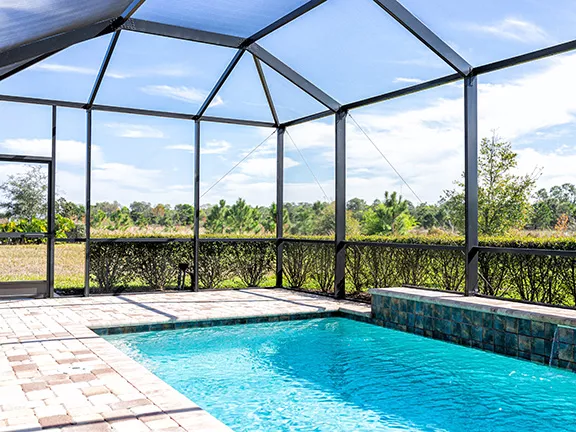
Screened lanais and pool enclosures are a signature feature of Florida homes. These structures allow homeowners to enjoy outdoor living while protecting against insects, debris, and excessive sun. In retirement communities like The Villages, lanais and pool cages are especially popular because they create a comfortable, shaded space for relaxing, entertaining, and enjoying the Florida climate year-round.
However, while these enclosures provide many benefits for homeowners, they can also attract wildlife. The combination of shade, insects, nearby landscaping, and water sources often creates an environment that animals find appealing for shelter, food, or nesting.
When wildlife begins using a pool enclosure or lanai area, the result can range from minor inconvenience to costly damage or safety concerns. Understanding which animals are commonly attracted to these structures can help homeowners recognize early warning signs and protect their property.
Below are seven wildlife risks Florida homeowners should know when it comes to lanai screens and pool enclosures.
Why Pool Enclosures Attract Wildlife in Florida
A pool enclosure or lanai acts as a semi-protected outdoor structure. While the screen barrier keeps many insects out, it does not completely prevent wildlife from entering or nesting around the structure.
Several factors make these areas attractive to animals:
Shade and shelter: The aluminum frame and screened roof create shaded areas that provide protection from weather and predators.
Insects and bugs: Lights around pools and patios attract insects, which in turn attract animals that feed on them.
Water sources: Pools, irrigation systems, and nearby retention ponds draw wildlife looking for water.
Landscaping and trees: Plants and trees near the house can provide easy access to rooflines and enclosure frames.
Quiet residential areas: Communities with limited disturbance can create safe environments for animals to settle.
Because of these factors, wildlife activity around pool enclosures is a common issue for Florida homeowners.
1. Bees Building Hives in Pool Enclosure Roofs
Bees are important pollinators in Florida’s ecosystem, but when they build hives in residential structures, they can become a serious safety concern. Bees may choose the frame of a pool enclosure, roof overhangs, or nearby structures as a place to establish a hive.
Signs of bee activity include:
A consistent buzzing sound near the lanai roof or enclosure frame
Large numbers of bees flying in and out of a specific location
Swarms gathering on beams or corners of the enclosure
Honey bees often nest inside walls or sheltered cavities and can pose risks when colonies grow near living areas. Certain species, such as Africanized honey bees, may respond aggressively if disturbed. Professional identification and safe removal are important before attempting any action.
2. Snakes Entering Through Small Screen Gaps
Florida is home to many snake species, most of which are harmless and help control rodent populations. However, the sudden appearance of a snake inside a pool enclosure can be alarming for homeowners.
Snakes are often attracted to pool enclosures because:
They follow prey such as rodents or lizards
The enclosure provides shade and protection
Landscaping around the lanai offers hiding places
Most snakes will leave on their own, but some may remain if food sources are available nearby. Identifying and sealing gaps in screen panels or enclosure doors can help reduce the chances of snakes entering.
3. Rats Nesting Around Pool Cage Structures
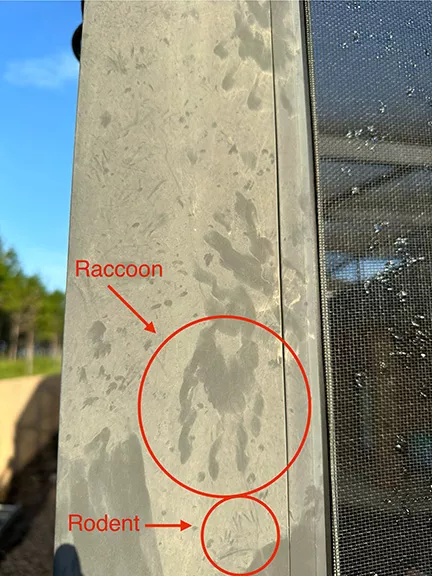
Rodents are one of the most common wildlife issues around homes in Florida. Roof rats in particular are excellent climbers and often travel along fences, trees, and utility lines.
Pool enclosures can provide:
Elevated perches along the frame
Access points to roofs and attics
Shelter near outdoor kitchens or storage areas
Rats are attracted by food sources such as pet food, fallen fruit, or garbage. Once they begin nesting nearby, they may move into attics or wall cavities.
Signs of rodent activity include:
Droppings near outdoor storage areas
Gnaw marks on wood or plastic surfaces
Scratching sounds at night
Rodents can damage insulation, wiring, and structural materials, making early detection important.
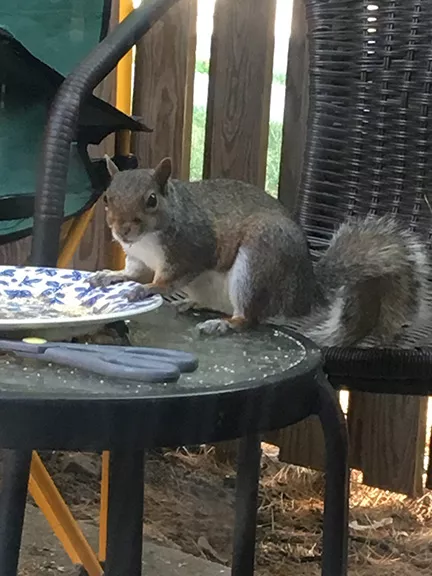
4. Squirrels Chewing Through Screens and Rooflines
Squirrels are frequently seen in residential neighborhoods throughout Florida, particularly in areas with mature trees. While they may seem harmless, squirrels can cause damage when they begin chewing on structural materials.
Common squirrel behaviors around lanais include:
Climbing the enclosure frame to access rooflines
Chewing on screen edges or wooden trim
Using nearby trees as launch points onto roofs
Squirrels chew constantly to maintain their teeth, which can lead them to damage screens, vents, and fascia boards. Once they find access to an attic, they may begin nesting inside the structure.
5. Raccoons Tearing Screens to Access Food
Raccoons are highly intelligent animals known for their dexterous paws and ability to manipulate objects. They are frequently attracted to homes where food sources are easily accessible.
Around pool enclosures, raccoons may:
Tear screen panels while trying to access food
Enter lanais in search of pet food or trash
Climb enclosure frames to reach roof areas
Raccoons commonly seek shelter in attics, crawl spaces, or chimneys and may cause structural damage when attempting to enter a home. They are also known carriers of diseases such as rabies and roundworm, which makes professional handling important if raccoon activity is suspected.
6. Muscovy Ducks Around Pools and Water Features
In many Florida communities, including areas near retention ponds and water reservoirs, Muscovy ducks have become a common nuisance animal. These large ducks are often attracted to residential areas where water and landscaping provide ideal habitat.
Pool enclosures and nearby yards may attract ducks because of:
Open water sources
Grass and landscaping suitable for feeding
Quiet residential environments
While ducks may appear harmless, they can create sanitation issues around pools and patios due to droppings and nesting behavior. In some communities, populations can grow quickly when food sources are readily available.
Proper management often requires humane mitigation strategies that discourage ducks from settling around residential properties.
7. Birds Nesting in Pool Enclosure Structures
Birds frequently build nests in sheltered areas around homes, and the upper corners of pool enclosures can provide an ideal location. The enclosure frame offers protection from predators and weather while still allowing birds to access nearby food sources.
Common signs of bird nesting include:
Twigs and nesting debris caught in enclosure corners
Droppings accumulating below nesting sites
Increased bird activity near the roofline
While birds are an important part of Florida’s ecosystem, nests located around pool enclosures can create sanitation concerns and ongoing maintenance issues. In many cases, bird exclusion measures are required to prevent repeat nesting.
Signs Wildlife Is Using Your Pool Enclosure
Homeowners may notice several warning signs when wildlife begins using a lanai or pool cage area:
Torn or damaged screen panels
Droppings or debris accumulating around the enclosure
Unusual noises such as scratching, buzzing, or rustling
Visible nests or animal activity near the frame
Increased insect or bug activity attracts predators
Addressing these issues early can help prevent animals from causing structural damage or entering other areas of the home.
How Homeowners Can Reduce Wildlife Problems Around Lanais
While wildlife is a normal part of Florida living, homeowners can take several steps to reduce the chances of animals settling around their property.
Helpful prevention tips include:
Repair damaged screens or loose enclosure panels
Trim trees and branches that reach the roof or enclosure frame
Keep garbage containers sealed and remove outdoor food sources
Clean debris and leaves from enclosure corners
Inspect doors and screen panels for gaps or openings
Routine inspections and maintenance of pool enclosures can significantly reduce wildlife issues over time.
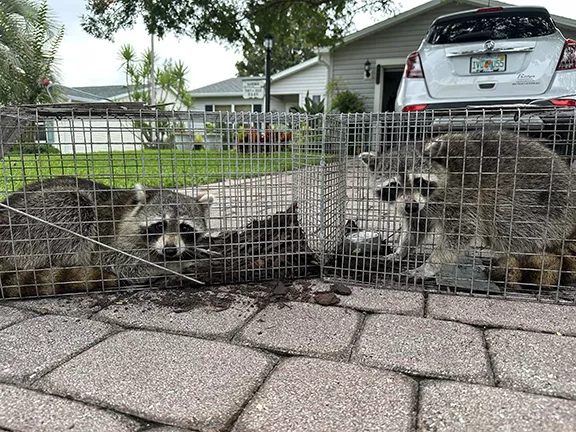
When Professional Wildlife Help May Be Needed
If animals repeatedly appear around a lanai or pool enclosure, professional inspection may be necessary to identify attractants or entry points. Wildlife professionals can determine which species are involved, recommend humane solutions, and help prevent recurring problems.
In Florida, certain animals are protected by law and must be handled according to specific regulations. Attempting to remove wildlife without proper knowledge or permits can sometimes lead to legal issues or safety risks.
When wildlife problems begin affecting your home, outdoor living space, or community environment, consulting experienced professionals can help ensure the issue is resolved safely and responsibly.
If you live in or near The Villages and are experiencing wildlife activity around your pool enclosure or lanai, early inspection and prevention can help protect your home and keep your outdoor space enjoyable year-round.
Need Help?
Call Now: 352-717-8727
Don’t wait for wildlife problems to escalate. Get expert help today.