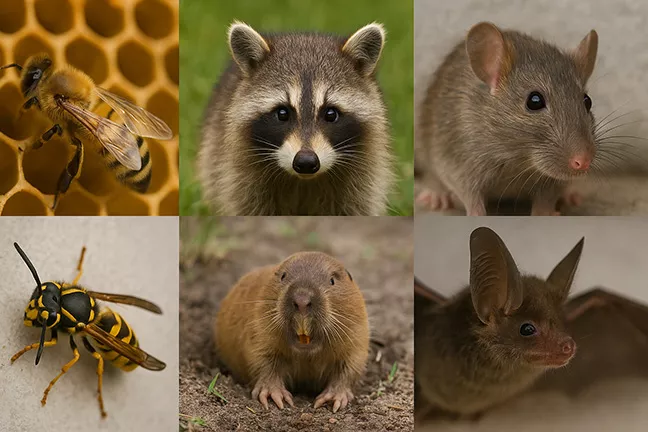
While Florida winters are mild compared to most of the country, cooler nights and shorter days still trigger major changes in wildlife behavior. As temperatures drop, animals begin searching for food, shelter, and warmth—and unfortunately, that often leads them straight into homes, attics, and crawl spaces.
Wildlife Works frequently receives winter calls from homeowners who hear scratching in the attic, notice fresh dirt mounds in the yard, or find evidence of raccoons and rodents in storage areas. Even though Florida’s climate stays relatively warm, the subtle temperature shifts are enough to drive wildlife closer to people and property.
Understanding how local animals behave in winter is the first step in preventing unwanted guests and protecting your home or business from costly damage.
Why Animals Seek Shelter in Winter
In nature, winter means fewer insects, less available food, and cooler nights. For Florida’s wildlife, that triggers a migration from outdoor burrows and trees to manmade spaces that offer warmth and security.
Attics, crawl spaces, barns, sheds, and garages all provide ideal refuge. These spaces offer insulation, dryness, and protection from predators. Small openings in rooflines, soffits, and vents make it easy for wildlife to enter, and once inside, they’ll often build nests, store food, and even raise their young.
Even if the daytime temperatures feel comfortable, animals instinctively prepare for the cooler nights ahead. That’s why wildlife prevention should be part of every homeowner’s winter maintenance plan in Florida.
Common Florida Pests and Their Winter Habits
Squirrels
Squirrels don’t hibernate; they stay active year-round. However, during the winter months, they often move indoors to escape the cold. Attics provide warmth and insulation, making them ideal nesting spots.
You may hear daytime scurrying, scratching, or chewing sounds if squirrels are present. They frequently gnaw on wood, wires, and insulation, which can create both safety hazards and expensive repair needs. They also bring in nesting materials like leaves and debris that can clog vents and ducts.
Rats and Mice
Rodents are among the most common winter invaders in Florida homes. When temperatures drop, rats and mice move indoors looking for warmth, food, and nesting sites. They’re drawn to stored feed, pet food, and pantry goods.
Once inside, they build nests within walls, insulation, or attic spaces. They chew through wiring, wood, and plastic, leaving droppings and contaminated materials behind. Even small gaps around pipes, vents, or doors can be enough for a mouse to squeeze through.
If you notice droppings or scratching sounds at night, it’s time to call a professional for winter rodent control before they reproduce and spread throughout the structure.
Raccoons
Raccoons are intelligent, adaptable, and opportunistic. During Florida’s cooler months, they become more persistent about finding warm, dry spaces to nest. Attics, chimneys, and soffits are top choices.
They can cause extensive damage by ripping shingles, tearing insulation, or breaking into ducts. Nocturnal by nature, raccoons are most active at night, and homeowners often report heavy thumping or scratching above ceilings.
Because raccoons can carry diseases and parasites, removal should always be handled by a licensed wildlife professional. Wildlife Works safely removes raccoons and seals entry points to prevent future nesting activity.
Bats
While bats in northern climates hibernate through winter, Florida’s bats remain semi-active due to the state’s mild temperatures. They may roost in attics, rooflines, or behind loose siding where the air stays warmer.
Bats are beneficial for insect control, but their droppings (guano) can create health risks and unpleasant odors. In Florida, bat removal is regulated seasonally, and exclusion must be performed outside of maternity season (April through August).
If you notice chirping, squeaking, or staining near attic vents, professional bat exclusion is necessary to remove and prevent re-entry safely.
Armadillos
Armadillos stay active year-round but modify their habits in winter. Cooler weather drives them to dig deeper burrows in softer, warmer soil, often closer to homes or foundations.
They feed on grubs, worms, and insects, so lawns and gardens become prime hunting grounds. Their digging can damage irrigation lines, landscaping, and yard drainage systems. Armadillo burrows can also weaken soil beneath patios or driveways if left untreated.
Professional removal and habitat modification—such as reducing insect food sources—are the best long-term solutions for recurring armadillo activity.
Pocket Gophers
Unlike many pests that slow down in cooler weather, pocket gophers stay active underground all winter. These small burrowing rodents build complex tunnel systems that can stretch for hundreds of feet below lawns and gardens.
They feed on plant roots and tubers, which means they continue damaging grass and ornamental plants even when surface activity seems quiet. The telltale signs of pocket gopher damage include crescent-shaped mounds of dirt, raised tunnels, and dead or wilted vegetation.
Because gophers spend most of their time underground, trapping and control require expertise and specialized techniques. Wildlife Works provides targeted removal programs to eliminate gophers and restore healthy lawns.
Snakes
As temperatures drop, snakes seek out warmth and protection, often entering crawl spaces, garages, or under slabs. In many cases, they follow rodents indoors, using the same gaps and openings.
Most Florida snakes are not aggressive, but their presence can still create fear and potential danger—especially when venomous species are involved. Regular rodent control reduces snake activity by eliminating their main food source.
If you see a snake indoors, don’t try to capture it yourself. Call a wildlife removal expert trained in safe snake capture and exclusion.
Bees and Wasps
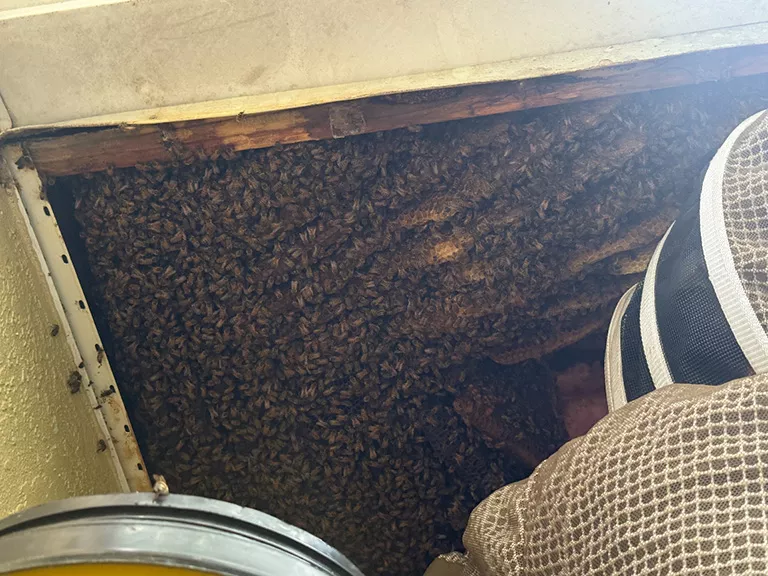
Florida’s warm climate allows bees and wasps to remain active later into the year than in most states. During winter, some bees may cluster inside wall cavities, soffits, or attic corners to preserve heat. Wasps may reuse nests or build new ones in protected spots.
Although activity slows down, these colonies can rebound quickly once spring arrives. Professional removal in winter helps prevent more significant infestations later in the year.
How to Protect Your Home and Yard This Winter
Preventing winter pest problems starts with inspection and maintenance. Even small gaps can invite wildlife indoors, and a little prevention goes a long way toward avoiding expensive damage.
- Inspect attic vents, soffits, chimneys, and crawl space openings for gaps or cracks.
- Seal any openings larger than ¼ inch with caulk or wire mesh.
- Store pet food, birdseed, and feed in sealed containers.
- Trim tree limbs that hang over or touch the roof.
- Keep firewood, debris, and garbage bins away from the home.
- Fill holes or burrows in the yard promptly to deter armadillos and gophers.
- Schedule regular wildlife inspections to catch activity early.
Maintaining clean, well-sealed structures makes your property less appealing to wildlife looking for warmth and shelter.
Signs It’s Time to Call a Professional
Some wildlife problems go unnoticed until the damage is already done. You should contact a professional pest control or wildlife removal specialist if you notice:
- Scratching, scurrying, or thumping noises in walls or ceilings.
- Fresh dirt mounds, holes, or raised tunnels in your lawn.
- Droppings or nesting materials in the attic or garage.
- Persistent digging near gardens or foundations.
- Strong odors, insulation damage, or chewed wires.
Protect Your Property All Winter Long
Even Florida’s mild winter temperatures can push wildlife indoors or closer to your home. From raccoons in attics to pocket gophers beneath lawns and armadillos digging near foundations, winter pest control in Florida requires vigilance and expertise.
The most effective approach combines prevention, inspection, and professional removal when necessary. At Wildlife Works, our team provides safe, efficient solutions to protect homes, farms, and businesses year-round.
Need Help?
Call Now: 352-717-8727
Don’t wait for wildlife problems to escalate. Get expert help today.