If you’re managing a commercial facility in Florida, you might not realize just how easily animals can access your building’s HVAC system. The short answer to the question “can animals get in your air ducts” is yes, and once they do, the consequences can be costly. Office buildings and warehouses provide quiet, temperature-controlled environments ideal for wildlife seeking shelter. Unfortunately, these same features make ductwork and ventilation systems a prime target.
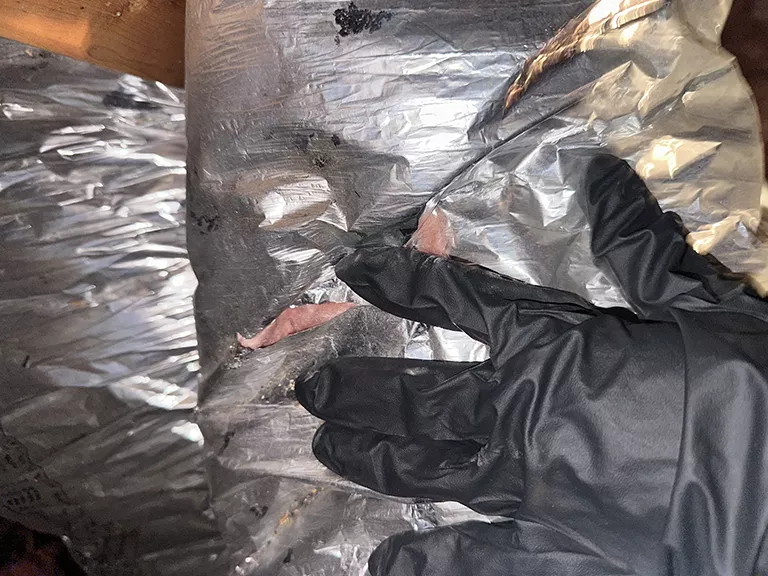
Animal activity in air ducts can go unnoticed for weeks or months, until odors, noises, or air quality issues alert staff or tenants to a bigger problem. By then, insulation may already be destroyed, wiring compromised, or entire duct lines blocked with nesting materials.
From access points to aftermath, we break down how animals invade HVAC systems and what you can do to keep your business protected.
How Animals Get Into Commercial HVAC Systems
In most cases, animals gain entry through gaps in the structure. In Florida, common access points include:
Roof and attic vents
Foundation openings and crawlspaces
Damaged soffits or eaves
Uncapped exhaust ducts or flues
Utility line openings
Once inside the building shell, animals find HVAC ductwork appealing because it offers enclosed protection, warmth, and easy travel between spaces. Odors from kitchens, break rooms, or stored food can also attract them directly to air returns or vents.
What Animals Get Into Ducts and Air Vents?
Rodents like rats and mice are the most frequent invaders. They often enter at ground level and travel through walls to nest in duct insulation. They chew on wires, create messes with urine and feces, and multiply quickly.
Squirrels are common in office buildings near trees. They can access roofline vents and chew through duct covers. Squirrels frequently bring in leaves, twigs, and other nesting materials, which become serious fire hazards when placed near heating elements or airflow components.
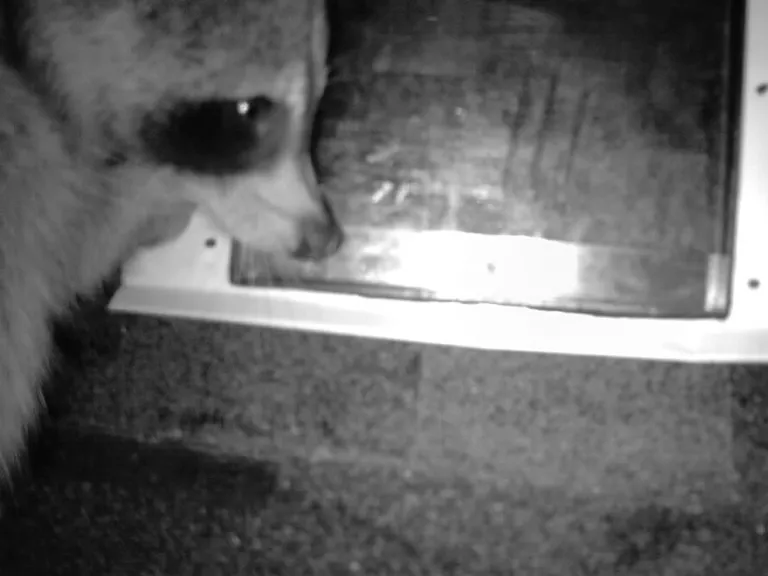
Raccoons are strong and dexterous enough to pry open vents or crawlspace entries. A raccoon nesting in ductwork can cause thousands of dollars in damage in a short time.
Birds, especially starlings and pigeons, may nest in exhaust vents, fan housings, or HVAC chases. Their droppings and nesting debris often carry bacteria, mites, and fungal spores. If materials are drawn into the ducts, they can reduce airflow and increase fire risk from flammable nesting materials exposed to hot air or electrical components.
Bats sometimes roost near or inside air returns in older buildings. Though they don’t build nests, their droppings (guano) accumulate quickly and can damage insulation and pose respiratory health concerns. Florida law also restricts when and how bats can be removed.
Signs of Animal Activity in AC System Air Ducts
You may not see the animal, but there are clear signs that something is wrong:
Scratching or movement noises in walls or ceilings, especially at night
Foul odors or musty smells near vents
Visible debris or nesting materials near air returns
Poor air circulation or blocked registers
Sudden spikes in dust or allergens indoors
Another serious warning sign is a persistent bad smell. This could indicate a dead animal in your duct system. As the body decomposes, bacteria and gases may circulate through the building, creating a health risk for staff or tenants. Removal can be difficult and expensive, depending on the location of the remains.
Health and Fire Hazards of Wildlife in HVAC Ducts
The health risks of animals in HVAC systems extend beyond allergens or droppings. Airborne contaminants can spread through every room serviced by the ductwork. Infections linked to rodent or bird droppings include salmonella, histoplasmosis, and leptospirosis. Staff may report worsening allergies, coughing, or headaches without realizing the cause is inside the ventilation system.
Fire hazards are another major concern. Rodents and squirrels frequently chew electrical wiring inside walls and near HVAC components, increasing the risk of shorts or electrical fires. Nesting materials from birds or squirrels can ignite if placed too close to heating elements or motor housings. Even lint and feathers can become flammable in the right conditions.
Repair and Cleanup Costs
Wildlife infestations in HVAC systems can cause serious financial damage. According to commercial HVAC specialists:
Ductwork cleaning after animal activity often costs $500 to $1,500 for small buildings and much more for warehouses
Replacing damaged insulation or ducts can cost $2,000 to $10,000, depending on system size and extent of contamination
Rodent-related electrical repairs may range from $300 for minor fixes to over $5,000 for rewiring and component replacement
Odor remediation from a decomposed animal in ducts can exceed $1,000 in some cases
Ignoring the problem rarely makes it cheaper. Left unresolved, damage spreads, and risks increase.
Why Commercial Buildings Are at Greater Risk
Larger structures mean more ductwork, more gaps, and more hidden places for animals to settle in. Warehouses and offices with low staffing after hours provide quiet environments where animals go unnoticed longer. Some buildings have complicated HVAC systems spread across multiple zones, which can allow infestations to grow before being detected.
Regular maintenance is often scheduled on an annual basis, too infrequently to catch early warning signs without specific inspections.
Preventing Animal Infestations in Air Ducts
To avoid costly problems, facility managers should include the following in their maintenance strategy:
Inspect and seal known entry points around the roof, vents, and foundations
Install vent guards or mesh screens on external duct openings
Trim back trees or shrubs near building perimeters
Schedule routine HVAC inspections, especially during seasonal transitions
Avoid storing food or garbage near mechanical rooms or exterior vents
It’s also important to work with a wildlife control professional if signs of animal activity appear. Removing the animal is only part of the solution. Entry points must be sealed, damage repaired, and systems cleaned to prevent future infestations.
Commercial Wildlife Control in Florida
At Wildlife Works, we provide targeted inspection and exclusion services for office buildings, warehouses, and other commercial facilities across Central Florida.
Our team is experienced in locating and sealing wildlife entry points, coordinating cleanup, and working with HVAC professionals to restore system safety.
We understand Florida’s wildlife behavior, legal guidelines for species like bats, and the unique challenges that come with commercial HVAC systems.
Need Help?
Call Now: 352-717-8727
Don’t wait for wildlife problems to escalate. Get expert help today.