
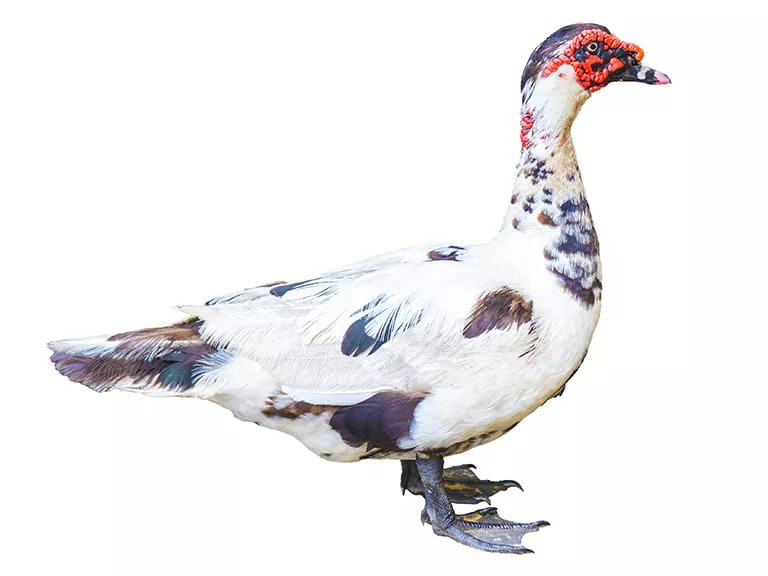
Muscovy ducks are a common non-native species found throughout Central Florida. They are frequently seen near residential ponds, golf courses, apartment complexes, and commercial properties with water features.
While they are generally calm birds, unmanaged populations can create sanitation concerns and property conflicts in shared or high-traffic areas.
Muscovy ducks are large-bodied birds with distinctive features:
They are often mistaken for domestic ducks but are classified as an introduced, non-native species in Florida.
Muscovy ducks thrive in environments that provide water, food, and minimal disturbance.
Common locations include:
They adapt well to human presence and frequently remain in areas where food is provided.
In Florida’s climate, Muscovy ducks are active year-round.
When regularly fed, populations may grow quickly and birds often become site-faithful to specific properties.
Muscovy ducks are classified as a non-native invasive species in Florida.
However:
Property owners should ensure compliance with current wildlife regulations before attempting removal or nest disturbance.
Long-term management focuses on reducing attractants and discouraging nesting.
Common prevention strategies include:
Proactive management is often more effective than reactive removal after populations increase.
XThe accessibility of our website is taken very seriously. We strive to meet WCAG Web Accessibility standards by routinely evaluating our website using automated evaluation tools and manual testing when required. As content changes we review and correct issues and are responsive to our users needs. If you encounter issues with our website, please report them so they may be corrected in a timely manner.