
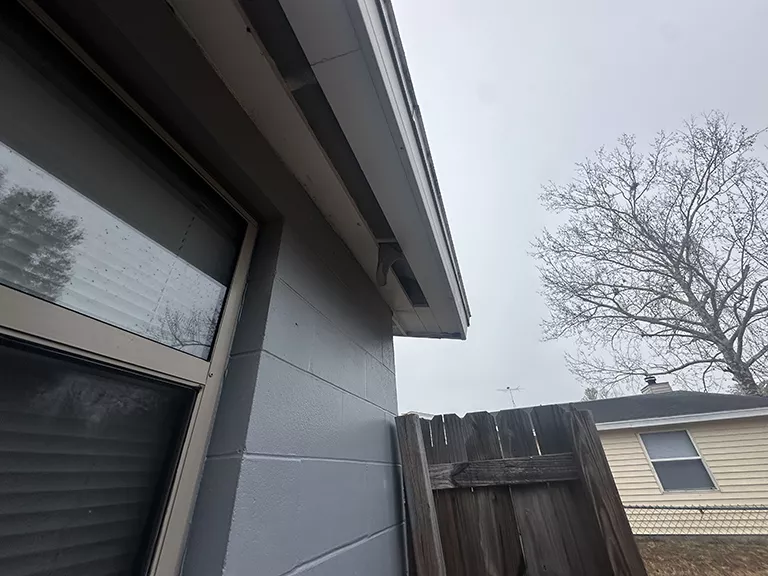
A homeowner in Beverly Hills, Florida contacted Wildlife Works after hearing heavy movement and vocalizations in the attic during the early morning hours. Upon inspection, we identified raccoons entering through small gaps in the soffit and roof overhang — a common but often overlooked vulnerability point in residential construction.
Because the activity occurred during denning season, there was a strong likelihood of a mother raccoon with kits inside the attic space. Rather than trapping and risking separation, we implemented a humane pheromone-based eviction strategy designed specifically for maternal den sites.
Active raccoon den in attic during peak denning season
Small soffit and roofline entry points are difficult to detect from the ground
High risk of separating a mother raccoon from dependent kits
Need for non-lethal solution compliant with Florida wildlife guidelines
After a full exterior and attic inspection, we confirmed raccoon entry through deteriorated soffit panels along the roof overhang. Signs included compressed insulation, nesting material, and staining near the access point.
Because trapping during denning season can unintentionally orphan young raccoons, we used a professional-grade raccoon eviction fluid (pheromone-based treatment). This product mimics predator presence and creates an uncomfortable but safe environment that encourages the mother raccoon to relocate her kits naturally to an alternate den site.
Once activity ceased and we confirmed the attic was clear, we sealed and reinforced all entry points using wildlife-resistant materials to prevent future intrusion.
Mother raccoon safely relocated with potential kits
No trapping required during sensitive denning season
Entry points sealed along soffit and roof overhang
Attic space cleared without structural damage escalation
Homeowner provided with prevention recommendations

Call Now: 352-717-8727
XThe accessibility of our website is taken very seriously. We strive to meet WCAG Web Accessibility standards by routinely evaluating our website using automated evaluation tools and manual testing when required. As content changes we review and correct issues and are responsive to our users needs. If you encounter issues with our website, please report them so they may be corrected in a timely manner.