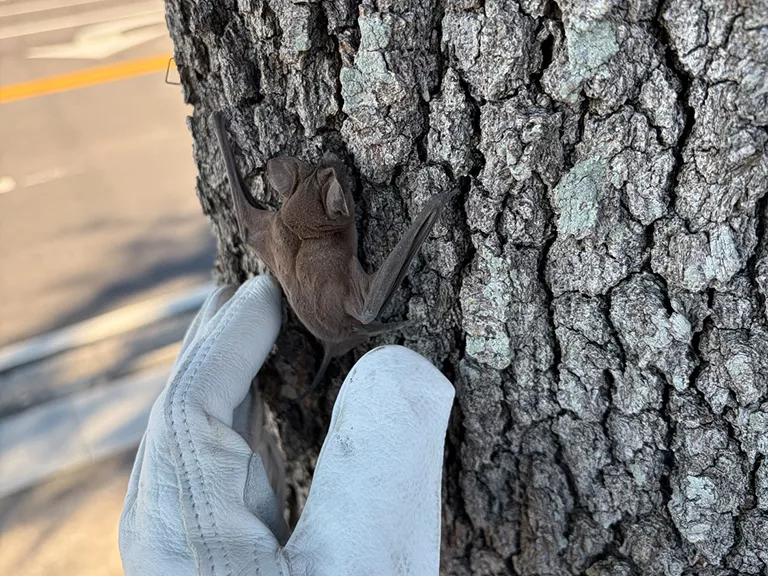
Warehouses are designed for storage, logistics, and movement of goods, not for wildlife. Yet in Florida, bats frequently find their way into warehouse buildings and remain undetected for long periods. High ceilings, warm interior air, minimal daytime disturbance, and numerous structural gaps create ideal roosting conditions. Once bats settle in, the risks escalate quickly.
The dangers of bats in warehouses extend well beyond an occasional sighting. From health hazards and contamination to regulatory exposure and costly remediation, bat activity in commercial facilities is a serious operational issue that requires professional attention.
Why Warehouses Attract Bats
Bats naturally seek elevated, dark, and protected spaces that mimic caves or tree canopies. Warehouses unintentionally replicate these environments.
Metal buildings, distribution centers, and storage facilities often include roof trusses, expansion joints, ridge caps, and ventilation openings that allow bats easy access. Large interior volumes stay warm at night, drawing bats in during feeding hours. Limited foot traffic during evenings and overnight shifts gives colonies time to establish without disruption.
Once bats locate a suitable roost, they tend to return year after year unless the building is properly sealed.
How Bats Get Into Warehouse Buildings
Bats do not need large openings to gain access. Entry points as small as half an inch are sufficient. Common access areas include:
- Roof seams and ridge vents
- Expansion joints and metal panel overlaps
- HVAC and exhaust vents
- Gaps around loading dock doors
- Damaged soffits or wall transitions
In many cases, warehouse managers are unaware that these openings exist until bat activity becomes visible inside the building.
Signs of Bat Activity in a Warehouse
Bat infestations often go unnoticed until the problem is advanced. Warning signs include:
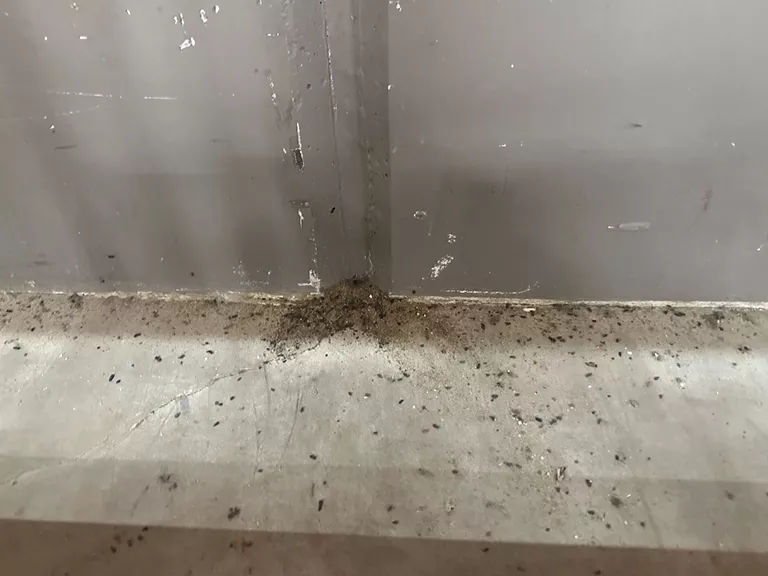
- Guano accumulation on floors, shelving, equipment, or near walls
- Strong ammonia-like odors from urine and droppings
- Chirping, scratching, or fluttering sounds at dusk or dawn
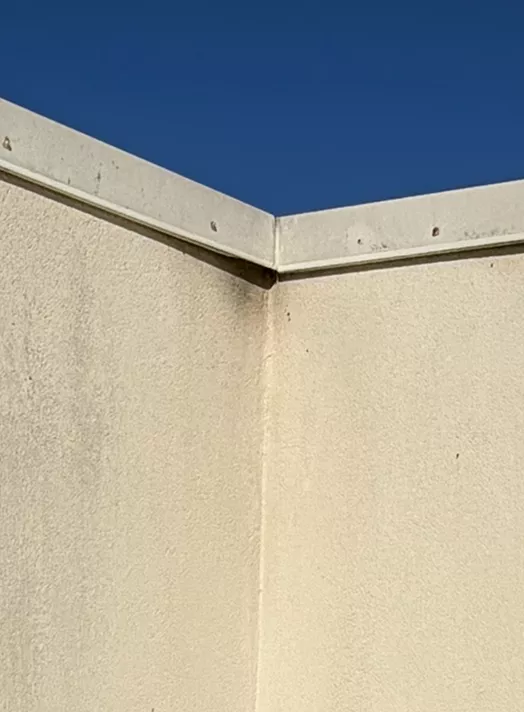
- Brown or black staining near rooflines or wall seams
- Reports of bats flying inside the warehouse during evening hours
Even small amounts of guano can indicate a much larger colony overhead.
Health Risks Associated With Bats in Warehouses
Bat guano presents one of the most significant health risks in warehouse environments. When droppings accumulate and dry, they can release fungal spores into the air. Inhaling these spores may cause histoplasmosis, a respiratory illness that can be severe for workers with compromised immune systems.
There is also concern regarding rabies exposure. While bats are not aggressive, any bat found flying inside an occupied workspace increases the risk of contact. This is especially problematic in warehouses with overnight shifts or early-morning staff.
For facilities that store food products, packaging materials, or sensitive inventory, bat contamination can lead to product loss, regulatory violations, and shutdowns for sanitation.
Structural and Operational Damage
Over time, bat activity causes physical damage that is often underestimated. Guano is acidic and can corrode metal surfaces, damage insulation, stain walls, and degrade building materials. Accumulation around beams and trusses adds weight and creates long-term maintenance issues.
Operationally, bat infestations can force temporary shutdowns for cleanup and inspection. Equipment beneath roosting areas may require replacement or decontamination. In some cases, entire sections of a warehouse must be closed until the issue is resolved.
Cleanup and remediation costs can range from several thousand dollars to tens of thousands, depending on the size of the colony and the extent of contamination.
Legal and Regulatory Risks for Warehouse Owners
In Florida, bats are protected by law. This means removal and exclusion are strictly regulated, particularly during maternity season when young bats are unable to fly. Improper handling, exclusion at the wrong time of year, or harm to bats can result in fines and enforcement action.
Warehouse owners also face obligations under workplace safety regulations. Allowing known health hazards to persist may expose businesses to liability if employees are affected. Facilities involved in food storage or distribution face additional scrutiny from health and safety agencies.
Failing to act once bat activity is identified increases both legal exposure and financial risk.
Why DIY Bat Removal Is a Serious Mistake
Attempting to remove bats without proper training often makes the problem worse. Sealing entry points without confirming colony size can trap bats inside walls, leading to increased contamination and odor issues. Exclusion during protected seasons can result in dead bats and significant cleanup challenges.
Repellents, poisons, and traps are ineffective and illegal in many cases. They can also cause bats to disperse deeper into the structure rather than leave the building.
Professional bat control focuses on timing, precision, and full perimeter sealing, steps that cannot be replicated through DIY methods.
Proper Bat Control for Warehouses
Effective bat control begins with a detailed inspection to identify entry points, roosting locations, and colony behavior. Legal exclusion is performed outside of protected seasons using one-way devices that allow bats to exit without re-entering.
Once activity has ceased, all access points must be permanently sealed using materials appropriate for commercial structures. Coordination with cleanup and sanitation services is often required to address guano and residue safely.
Ongoing monitoring helps prevent future infestations and protects the integrity of the building.
Why Early Action Matters
The longer bats remain in a warehouse, the greater the risk. Colonies grow, guano accumulates, and cleanup costs increase. Early intervention minimizes disruption, protects employees, and reduces liability exposure.
Waiting for the problem to resolve on its own rarely works. Bats are persistent and return to familiar roosts unless the structure is properly secured.
Bat Control for Warehouses in Florida
Wildlife Works provides bat exclusion and prevention services for warehouses, distribution centers, and industrial facilities across Florida. Our team understands the legal requirements, structural challenges, and operational demands of large commercial buildings.
If you suspect bats are roosting in your warehouse—or have already seen signs of activity—addressing the issue promptly can save time, money, and risk.
Take Action Before the Damage Grows
The dangers of bats in warehouses affect health, safety, compliance, and your bottom line. Contact Wildlife Works to schedule a professional inspection and develop a plan to protect your facility before the problem escalates.
Need Help?
Call Now: 352-717-8727
Don’t wait for wildlife or pest problems to escalate. Get expert help today.