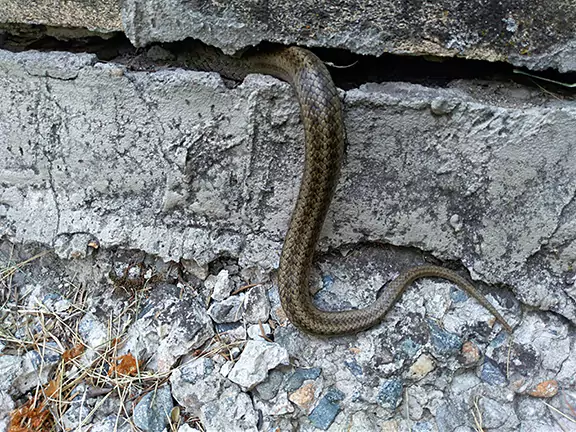
In Florida, sharing your property with wildlife is part of daily life—but not all visitors are welcome. As temperatures shift and food sources move, it’s not uncommon for snakes to show up in garages, crawl spaces, or even inside living areas. These reptiles, while often harmless, can cause panic and pose health concerns if they make their way indoors.
Many Florida homeowners find themselves asking: How do snakes enter homes? The answer often comes down to a combination of opportunity, environment, and overlooked entry points. Understanding why snakes enter houses and how to prevent them from getting inside homes is the first step toward a safer, more secure home.
5 Reasons Why Snakes Enter Florida Homes
Snakes enter homes for the same reasons many pests do—shelter, food, and stable temperatures. In Florida’s warm and humid climate, homes provide the perfect refuge, especially during seasonal shifts or after storms.
1. Food Sources
Snakes are skilled hunters, and their favorite meals include small mammals, like mice and rats, as well as insects and frogs. If you have an underlying rodent infestation, you’re at greater risk of attracting snakes that follow prey trails straight into your home, making it essential to control the rodent population.
2. Sheltered Locations
Snakes prefer quiet, undisturbed areas where they can stay hidden. Crawl spaces, wall voids, attics, and basements offer just that—spaces away from human activity where they can rest or even lay eggs.
3. Body Temperature Regulation
As cold-blooded animals, snakes must regulate their body temperature by moving between warm and cool environments. During the winter months, when temperatures begin to drop, your home’s stable indoor climate can be irresistible to reptiles searching for comfort.
4. Access to Water and Damp Areas
Some snakes, especially in humid regions like Central Florida, are drawn to damp areas—under sinks, near leaking pipes, or inside crawl spaces with poor ventilation. These moist environments often also harbor potential food sources, such as insects or amphibians.
5. Breeding Behavior
In the spring and early summer, snakes search for secure places to breed. A quiet garage corner or attic insulation can be mistaken for a safe place to reproduce.
7 Common Snake Entry Points in Florida Homes
Snakes are remarkably adept at slipping through small openings, and many Florida homes unknowingly offer easy access. Even gaps as small as a quarter-inch—about the size of a pencil—can serve as an entryway for certain house snakes or rat snakes. Here are the most frequent access points homeowners should be aware of:
1. Cracks in Building Foundations
Over time, settling and weather can cause small cracks to form in your foundation. These are prime entry points, especially at ground level, where snakes are most likely to travel. Any gap between a slab and siding should be sealed.
2. Gaps Around Doors and Windows
Poorly fitted doors, worn weather stripping, or torn screens create small spaces through which snakes can enter. This is especially true for garage doors that don’t close tightly against the floor.
3. Plumbing and Utility Openings
Many homes have unsealed areas around pipes, wires, and utility lines. These are not only accessible to rodents but also attract snakes that follow prey into these tight channels.
4. Crawl Spaces and Vents
Florida homes with crawl spaces, especially older ones, often have open vents or missing latticework that give snakes a way in. These areas are cool, dark, and undisturbed—ideal conditions for a snake to settle.
5. Roofline Gaps and Attic Access
Rat snakes and other climbers can use tree limbs or vines to reach rooflines. Once there, they may exploit loose soffits, openings in eaves, or damaged roof vents to gain access to attics.
6. Holes Near Landscaping
Large plants, tall grass, and cluttered garden beds near the home’s foundation create hidden zones for snakes to approach unnoticed. If these areas are adjacent to unsealed siding or vent openings, it’s only a matter of time before they find their way inside.
7. HVAC or Pool Equipment Access
The same pathways used for HVAC lines, irrigation systems, or pool plumbing can act as unintentional conduits for snakes seeking shelter or hunting for rodents.

Common Snake Species That Enter Florida Homes
Florida is home to over 40 native snake species, but only a handful are typically found inside or around residential structures. Most are non-venomous, and some even help control pests like rats and insects, contributing to a balanced ecosystem. Still, knowing which species are commonly found indoors can help you identify a problem early and respond appropriately.
1. Rat Snakes
One of the most frequently encountered snakes in Florida homes, rat snakes are excellent climbers and often enter attics or wall voids through roofline gaps. They’re non-venomous and typically shy, but their size and sudden movements can alarm homeowners.
2. Black Racers
Fast and slender, black racers are commonly seen darting through yards or across driveways. While they rarely enter homes intentionally, they may slip into garages or open doors and inadvertently find themselves in living spaces while chasing prey.
3. Corn Snakes
Often mistaken for copperheads, corn snakes are harmless and beneficial for controlling rodent populations. They tend to stay near crawl spaces, basements, or barns where small mammals are abundant.
4. Ringneck Snakes and Brown Snakes
These tiny snakes may find their way inside through small holes or gaps in plumbing pipes. They are typically found under appliances, inside cabinets, or near damp areas.
5. Water Snakes
In flood-prone areas or properties near lakes and retention ponds, water snakes may end up on patios or even inside pool enclosures. While non-venomous, they can be confused with cottonmouths.
6. Venomous Species (Rare Indoors)
Though uncommon, Eastern Diamondback Rattlesnakes and Cottonmouths (Water Moccasins) can occasionally be found near building foundations, especially in rural or undeveloped areas. These species pose greater risks and should never be approached.
How to Prevent Snakes From Entering Your Home
The best way to handle a snake problem is to stop snakes from getting inside in the first place. Preventive efforts not only reduce the chance of unwanted reptile encounters but also cut off the food sources that attract them. Here’s how to create a less snake-friendly home environment:
1. Seal Entry Points
Inspect and seal any small openings, gaps, or cracks around your foundation, doors, windows, and roofline.
Use weather-resistant materials like steel mesh or expanding foam to block potential entry points.
2. Eliminate Food Sources
Snakes are opportunistic and gain access to homes in search of prey like rats, mice, and insects.
Schedule pest control if you notice signs of a rodent infestation to break the food chain.
Store pet food and birdseed in sealed containers and clean up any spills promptly.
3. Manage Landscaping
Trim tall grass, overgrown shrubs, and remove large plants near the base of your home.
Clear debris, leaf piles, wood stacks, or clutter that provides hiding places for small mammals and snakes.
Create a 24- to 36-inch buffer zone of bare gravel around your home’s foundation to deter snakes.
4. Protect Crawl Spaces and Vents
Install snake-proof screens on crawl space vents, plumbing pipes, and attic louvers.
Use solid covers for floor and foundation vents and replace any damaged screens or siding.
5. Maintain a Dry Environment
Fix leaky spigots, AC condensation lines, or gutters that lead to damp areas around the property.
Ensure crawl spaces and basements are properly ventilated to avoid excess moisture.
6. Secure Doors and Garages
Add door sweeps and ensure garage doors close flush to the ground.
Close doors when not in use—even a brief opening can invite a snake entry if conditions are right.
7. Schedule Professional Exclusion
Regular inspections by a wildlife professional can catch vulnerabilities early.
Wildlife Works offers initial service inspections to assess your home’s risk and recommend proactive measures.
What to Do If You Find a Snake Inside
Discovering a snake inside your home can be alarming, but how you respond makes all the difference—both for your safety and for avoiding property damage. Here’s what to do (and what not to do) if a snake ends up indoors:
1. Stay Calm and Keep Your Distance
Most snakes are not aggressive unless threatened.
Avoid sudden movements or attempts to trap the snake yourself, especially if you’re unsure of the species.
2. Do Not Attempt DIY Removal
Even non-venomous snakes can bite when cornered.
Venomous snakes, like cottonmouths or rattlesnakes, require trained handling and can pose serious medical risks.
Use caution and resist the urge to chase or kill the snake.
3. Safely Isolate the Area
If possible, close doors to contain the snake in one room and place a towel at the base to block escape.
Keep pets and children away until help arrives.
4. Contact a Professional Snake Removal Service
Call a licensed wildlife control expert—like Wildlife Works—for safe snake removal and inspection of your home for additional entry points.
Professionals are trained to identify different species and handle the situation legally and efficiently.
5. Monitor for Signs of a Larger Problem
One indoor sighting could mean more activity is occurring out of sight.
Ask your removal professional to check for signs of a snake infestation, prey animals, or conditions that attract snakes into living spaces.
6 Signs of a Snake Infestation
While a single snake sighting may be an isolated incident, multiple indicators could point to a snake infestation—especially if your property has ideal conditions like abundant food, water, or sheltered locations. Watch for these warning signs around your home:
1. Shed Skins
Snakes regularly shed their skin as they grow. Finding full or partial sheds near crawl spaces, attics, or storage areas suggests a nearby presence.
2. Snake Tracks or Trails
In dusty areas like garages or basements, snakes may leave slithering trails behind. These can appear as winding marks across the floor or under furniture.
3. Droppings
Snake feces often resemble bird droppings but may contain fur or bones if they’ve recently consumed rodents.
4. Strange Odors
Some snakes release musk as a defense. A musty, sharp odor may indicate one has taken up residence—especially in enclosed or damp areas.
5. Decrease in Rodent Activity
If you suddenly notice fewer signs of rats or mice, it could be due to a predator like a snake already on-site.
6. Visual Sightings Indoors or Near Entry Points
Spotting a snake repeatedly near your foundation, under decks, or near plumbing pipes is a strong sign that they may be entering the home.
If any of these signs appear, it’s time to schedule an inspection with a wildlife professional to identify and close off potential entry points before the problem escalates.
Wildlife Works Can Help You Stay Snake-Free
At Wildlife Works, we understand how unsettling it can be to discover a snake inside your home—or even lurking too close for comfort. Our team specializes in identifying active and potential snake entry points, addressing the root causes like rodent activity or foundation gaps, and implementing exclusion strategies that keep snakes out for good.
We don’t just remove the problem—we help prevent it from returning. From crawl space inspections to sealing vulnerable areas around your property, we tailor each plan to suit the specific risks of Florida homes and the various species commonly encountered here. Whether you’ve seen a snake or just want peace of mind, our licensed professionals are ready to protect your property with proven solutions and prompt service.
Stop Snakes Before They Get Inside—Contact Wildlife Works Today
Call Wildlife Works now or fill out the form below. We’ll inspect your home, identify risk factors, and help you stop unwanted reptiles before they get in. Snake prevention is essential in Florida—and we’re here to make sure your home stays a safe place to live.
Need Help?
Call Now: 352-717-8727
Don’t wait for wildlife problems to escalate. Get expert help today.